SYSTEM SOLUTIONS FOR ROOFS, BALCONIES, AND DETAILED CONNECTIONS IN HISTORIC PRESERVATION
Solutions for Historic Buildings
Historic buildings require waterproofing solutions that address details effectively and respect the building’s structure. Triflex liquid polymer systems provide permanent waterproofing for roofs, balconies, towers, and joints without the need for unnecessary structural alterations.
Waterproofing Solutions for Historic Buildings
Historic buildings place special demands on waterproofing systems. Interventions in the existing structure are often limited, yet the waterproofing must function reliably over the long term.
Triflex liquid polymer systems enable seamless waterproofing of roofs, balconies, and detail connections in existing structures. They adapt to even complex geometries, adhere to a variety of substrates, and can be applied with minimal disruption to the existing building structure.
This preserves the architectural character and historical details while simultaneously providing a waterproofing solution that is reliable over the long term.
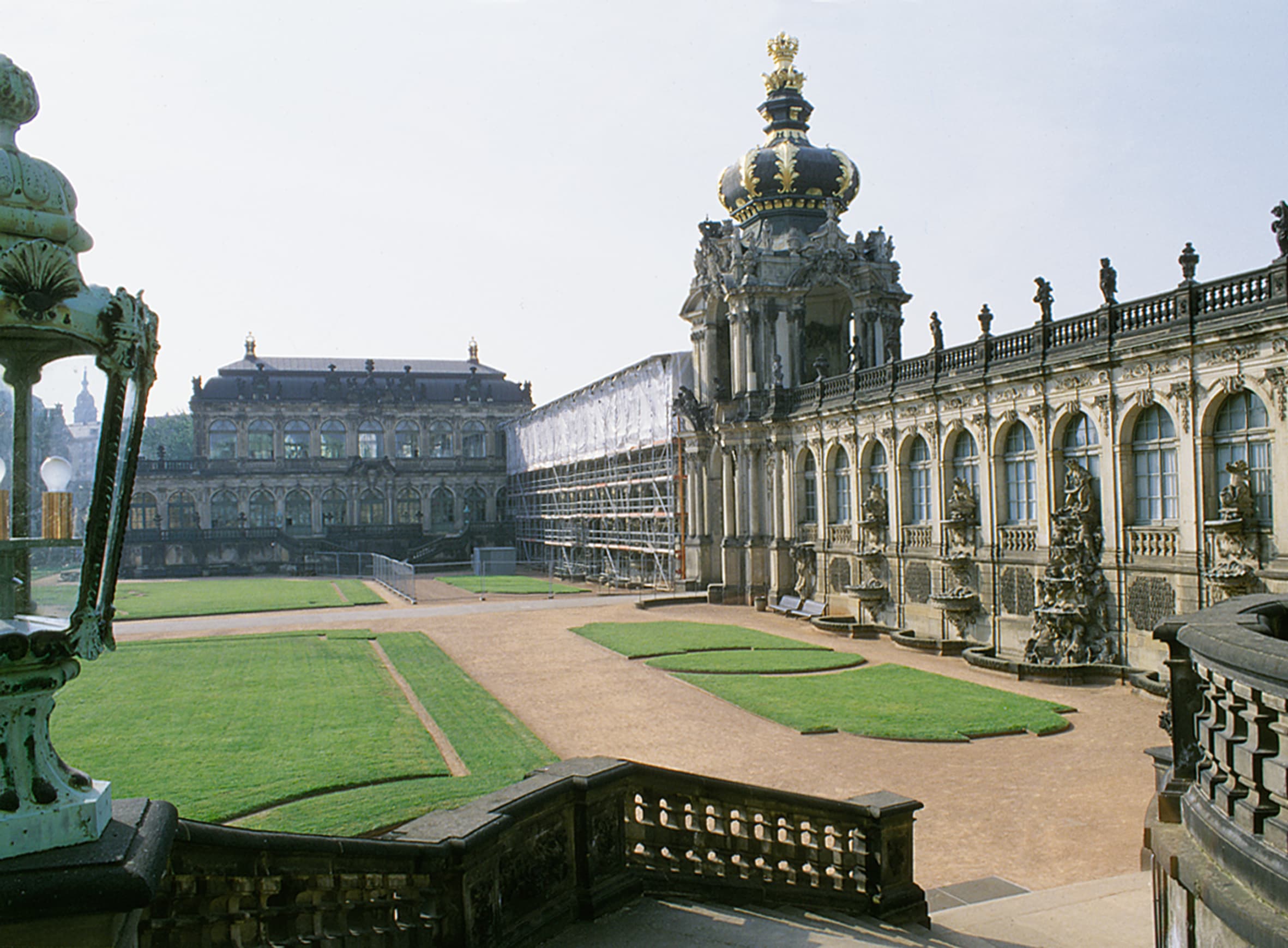
Why Use Liquid Plastic in Historic Preservation?
System Advantages for Renovation of Existing Buildings
- Preservation
Waterproofing without structural alterations. Historic building elements are preserved, and interference with the building’s structure is minimized.
- Highly detailed
Seamless integration of complex connections and geometries. Ideal for cornices, railings, penetrations, and delicate transitions.
- High adhesion
Reliable adhesion to concrete, natural stone, asphalt, and existing waterproofing membranes. Can be used with confidence even on varied substrates.
- Permanent
Fiber-reinforced systems with high crack-bridging capacity. Weather- and UV-resistant, tested, and durable.
Typical Applications in Historic Preservation
Historic buildings feature a multitude of sensitive areas where waterproofing must function reliably over the long term without altering the building’s structure. Particularly challenging are connection details, transitions between different materials, and exposed structural elements.
Triflex systems are used, among other things, for:
- Roof surfaces of historic buildings
- Balconies and loggias
- Towers and parapets
- Cornices and parapets
- Penetrations and connection areas
- Transitions between natural stone, concrete, and metal
Are you planning a renovation project on a historic building? Our experts would be happy to assist you.
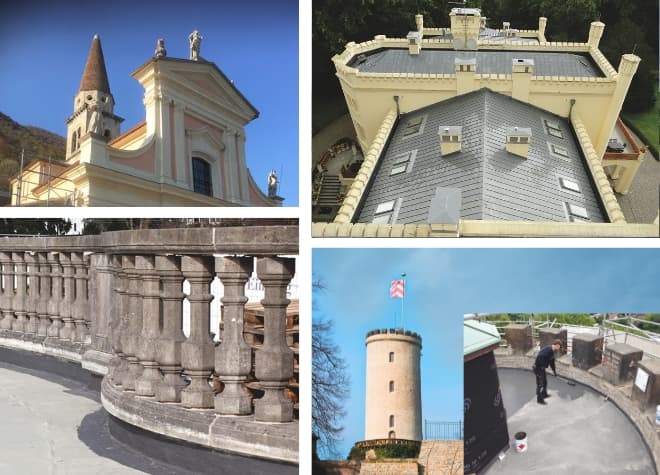
System Solutions for Historic Preservation
Triflex liquid polymer systems are particularly well-suited for existing buildings with sensitive structural elements. They form a seamless waterproofing membrane even in areas with complex details and can be adapted to many existing substrates. This ensures that interventions in the historic structure are kept to a minimum.
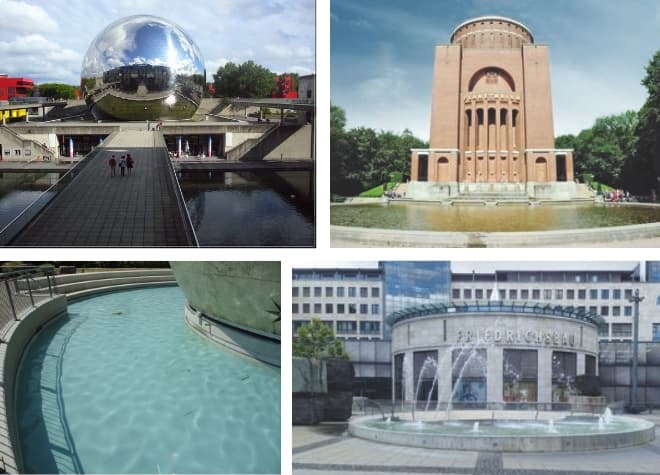
Fountains in Public Spaces
- Fountains in City Squares and Pedestrian Zones
- Ornamental fountains and water features
- Fountain installations at public buildings
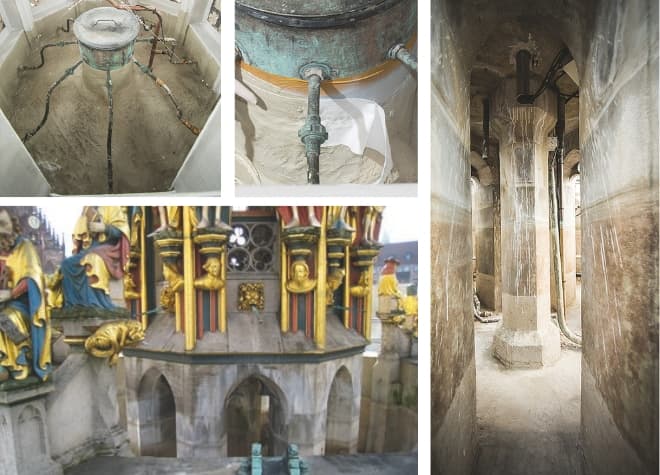
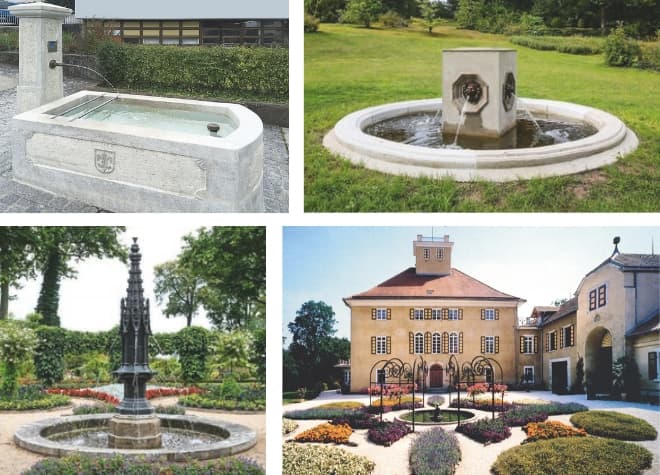
Water features and water elements
- Water Features in Landscape Architecture
- Architectural Water Features
- Decorative Water Features
Practical Examples from the Restoration of Historic Buildings
Reference Projects in Historic Preservation
Historic buildings present unique challenges in terms of planning and construction. Numerous renovation projects demonstrate how Triflex systems can be reliably used even on historic buildings. From historic roofs to balconies and parapets to complex detailing—the following case studies provide insight into solutions implemented in existing buildings.
Frequently Asked Questions About Waterproofing Solutions for Historic Preservation
Yes. Liquid membrane systems are frequently used in the restoration of historic buildings because they adapt to complex geometries and provide a seamless seal. This makes it possible to seal many structural elements without significantly altering the historic building fabric.
Typical applications include the roofs of historic buildings, balconies and loggias, towers, parapets, as well as cornices and joint details. Stairs, landings, and transitions between different materials can also be reliably sealed.
Liquid plastic is applied in liquid form and, as it cures, conforms precisely to the existing component geometry. This makes it possible to permanently seal even complex details, penetrations, or transitions between different materials.
In many cases, no. Modern waterproofing systems allow for renovation of existing buildings, during which existing structural elements can largely be preserved. This minimizes interference with the historic fabric of the building.
Liquid plastic systems can be applied to a variety of substrates, such as concrete, screed, metal, or natural stone. They can also reliably seal joints between different materials.
Durability depends on the system, planning, and execution. High-quality liquid polymer-based waterproofing systems can provide long-term, reliable protection for building components and are particularly well-suited for complex details.
Field studies show that waterproofing applied with Triflex systems remains functional even after more than 25 years. Based on extensive testing, an expected service life of up to 40 years has been confirmed for Triflex ProDetail. Mehr erfahren....
Yes. In many renovation projects, waterproofing systems are installed directly on existing substrates. This helps shorten construction time and avoid time-consuming demolition work.
As a rule, such projects are designed by architects or specialist planners and carried out by specialized contractors. Early coordination among the design team, the historic preservation authority, and the contractors is particularly important in this context.