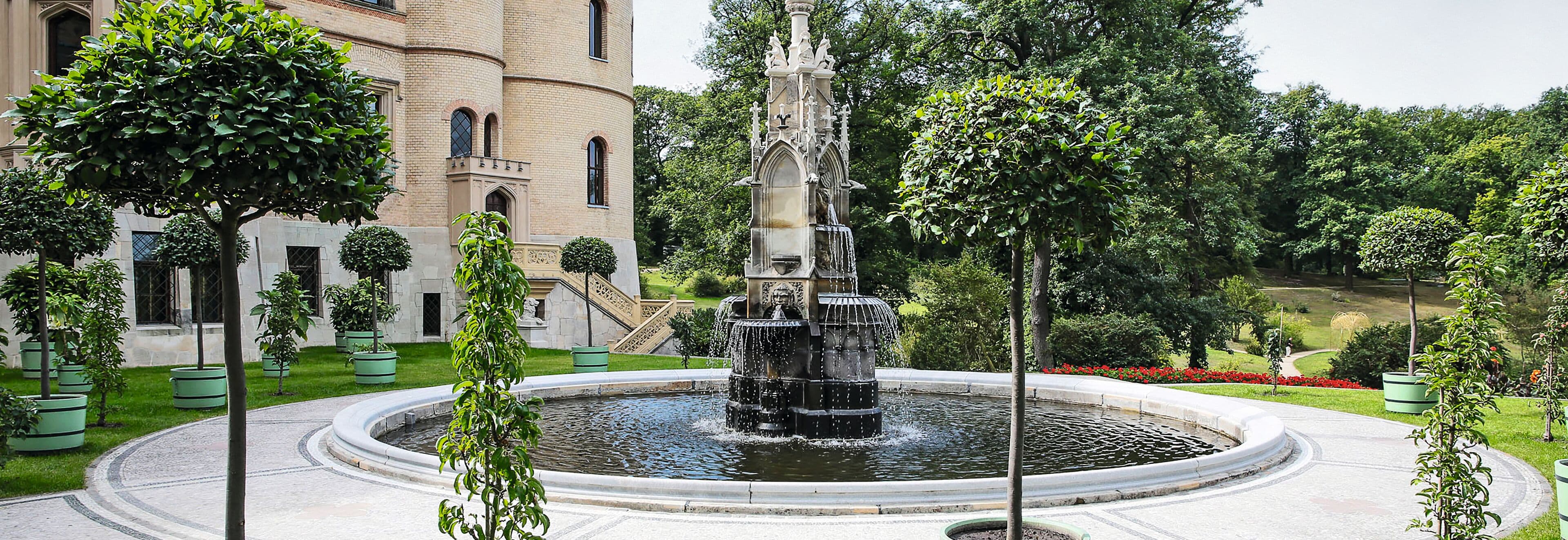
Challenges with Fountains and Water Features
Fountain systems and water basins place high demands on planning and construction. Constant contact with water, structural movement, and numerous detailed connections make achieving a durable waterproofing system a challenging task. Triflex systems provide reliable solutions for the waterproofing and rehabilitation of water-carrying structures.
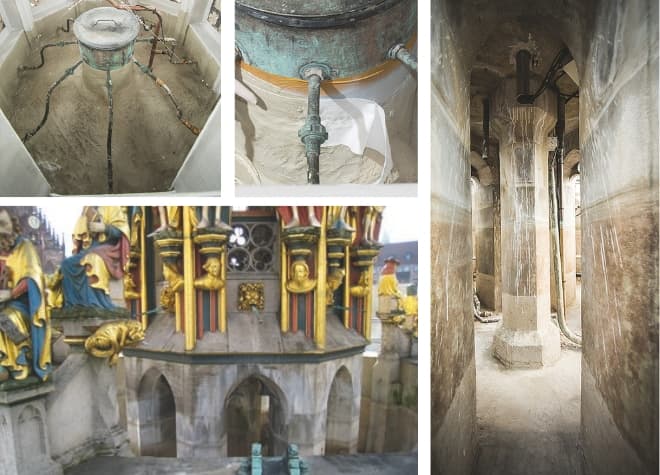
Typical damage patterns in fountain systems:
- Cracks and leaks in concrete basins
- Damaged connection details and penetrations
- Leaky joints and connection areas
- Water penetrating the building structure
- High waterproofing requirements due to constant contact with water
- Restoration of historic fountain systems
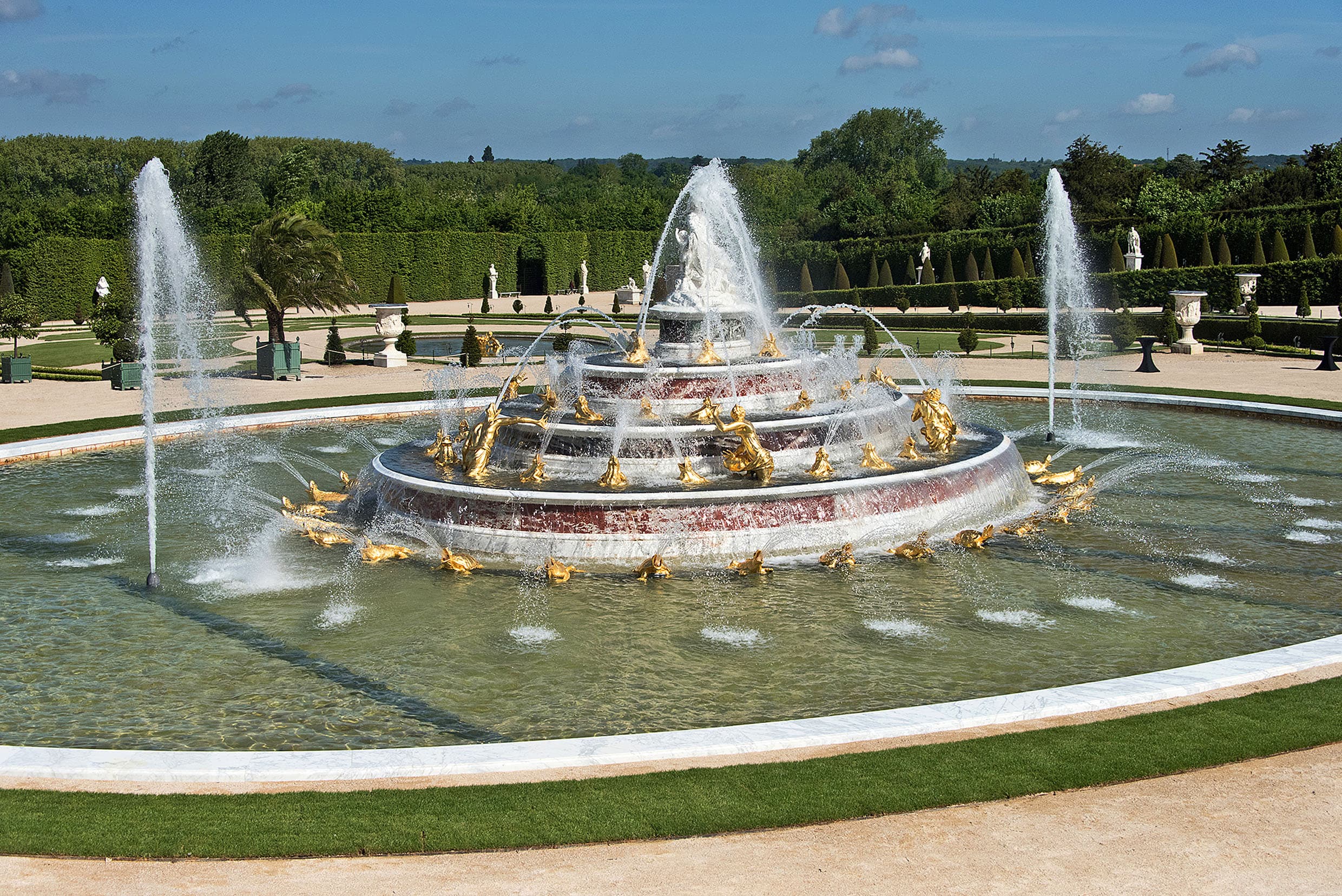
Reliable sealing even with constant contact with water and complex details.
High-Performance Waterproofing for Well Systems
- Permanent
Resistant to prolonged contact with water and weathering.
- Highly detailed
Seamless integration of complex connections and geometries. Ideal for cornices, railings, penetrations, and delicate transitions.
- High adhesion
Reliable adhesion to concrete, natural stone, asphalt, and existing waterproofing membranes. Can be used with confidence even on varied substrates.
- In stock
Ideal for the renovation of existing well systems.
Typical Applications for Well Systems
Fountains, water basins, and water features can be found in many architectural and landscape design contexts. Waterproofing fountains is a key requirement for ensuring a structure that remains functional over the long term and requires minimal maintenance.
Waterproofing Historic Fountains
Many fountain systems are located in historic parks, on prominent city squares, or at buildings designated as historic landmarks. When renovating such structures, waterproofing systems must not only provide a permanent seal but also meet the requirements of historic preservation.
Triflex liquid polymer systems enable reliable waterproofing without compromising the historic building fabric.

Fountains in Public Spaces
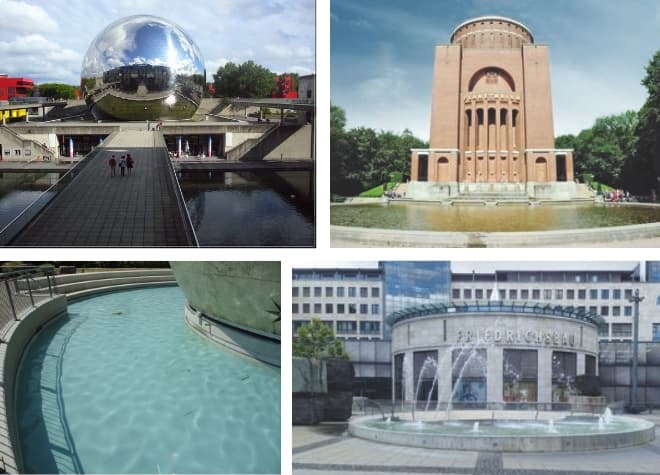
- Fountains in City Squares and Pedestrian Zones
- Ornamental fountains and water features
- Fountain installations at public buildings
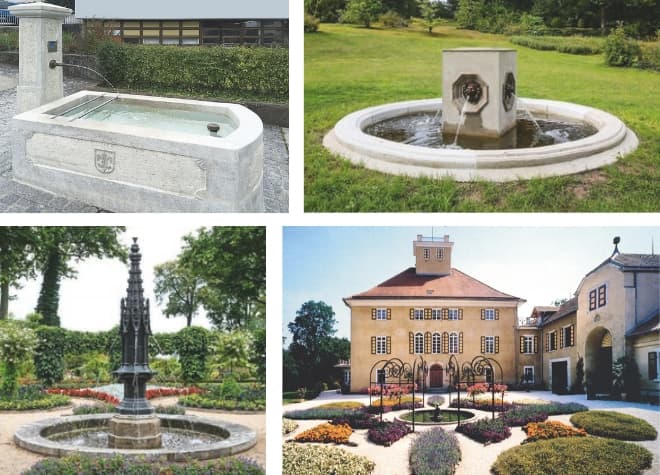
Water features and water elements
- Water Features in Landscape Architecture
- Architectural Water Features
- Decorative Water Features
System Solutions for Well Systems
Triflex liquid polymer systems provide a reliable and durable waterproofing solution for fountains, water basins, and architectural water features, even in cases involving complex geometries and challenging detail connections.
Surface Waterproofing
Waterproofing of fountain basins and water features using geotextile-reinforced liquid polymer systems.
Details and Connections
Reliable waterproofing of complex geometries, penetrations, and connection areas.
Renovation of Existing Structures
Permanent waterproofing of existing fountain systems without extensive demolition work.
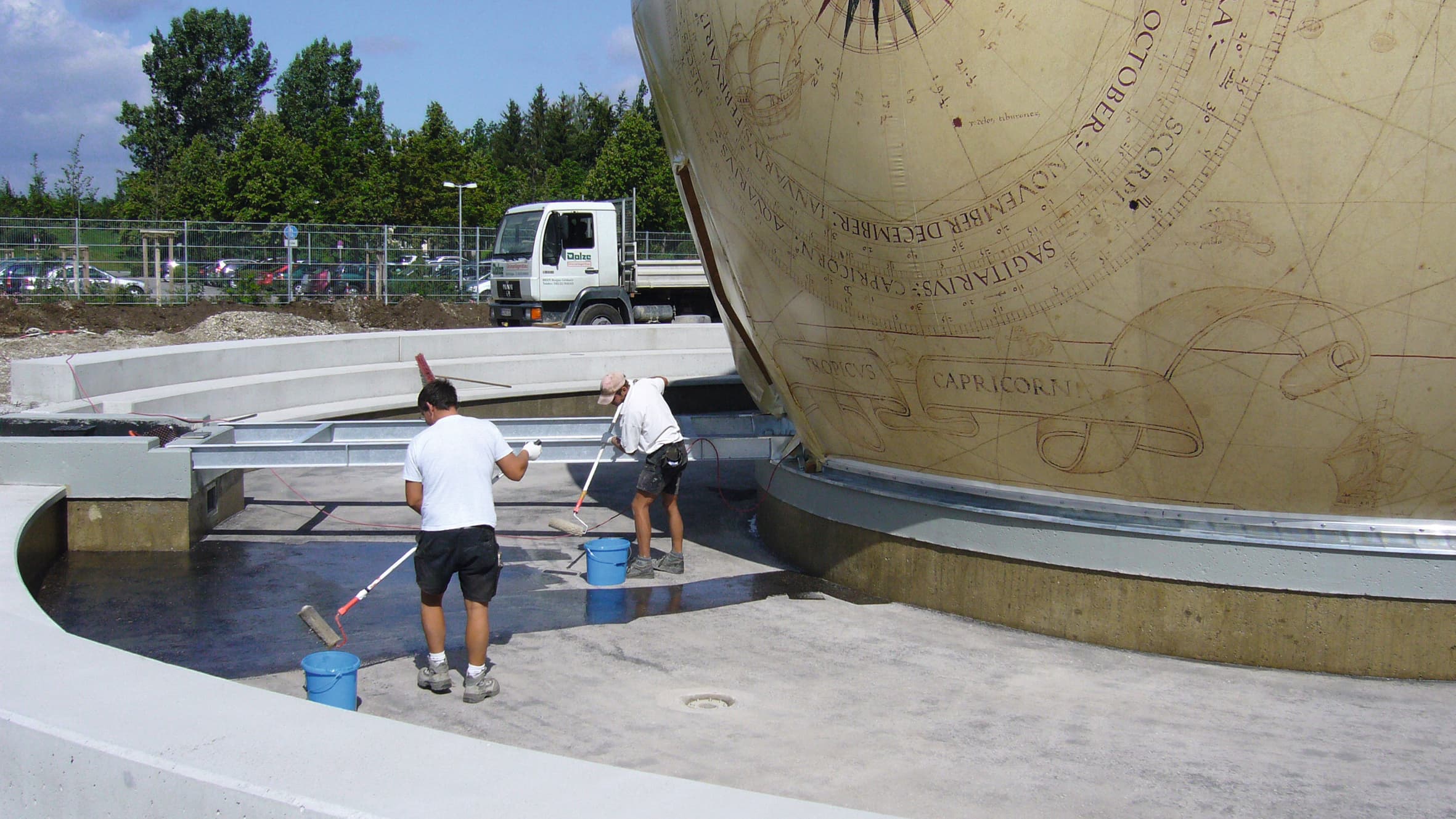
Reference Projects for Water Fountain Systems
Historic fountains, water basins, and architectural water features place high demands on waterproofing systems. Triflex liquid polymer systems are used in numerous projects in public spaces as well as in castles and parks.
Frequently Asked Questions About Waterproofing Wells and Water Tanks
Well systems must be permanently sealed against standing or flowing water. Joints, transitions, and built-in components such as nozzles or pipe penetrations are particularly critical. Liquid plastic systems enable seamless sealing of well systems, as they reliably conform to even complex geometries and detailed connections. Unsere Experten beraten gerne bei Detailfragen...
Liquid plastic systems are frequently used for water basins and fountain installations. These systems can be applied in liquid form and therefore adapt well to irregular shapes and detailed connections. The seamless application eliminates weak points caused by joints or overlapping sheets. This makes them particularly suitable for complex structures such as fountain basins, waterways, or architectural water features.
Many well systems are repaired as part of renovation projects when leaks or damage occur. Liquid plastic systems are particularly well-suited for renovating existing structures, as they can be applied to a variety of substrates and reliably seal even complex details.
Fountain structures are often made of various materials, such as concrete, natural stone, or metal. Waterproofing systems must therefore be versatile and able to adapt to different substrates. Liquid polymer systems can be applied to many materials and provide reliable waterproofing even with complex combinations of materials.
Detailed areas such as pipe penetrations, built-in components, transitions, or expansion joints are among the most sensitive areas of a well system. The use of liquid plastics reinforced with geotextile allows these details to be reliably integrated. The material is applied in liquid form and, after curing, forms a seamless seal that reliably encloses even complex shapes.
Historic fountain structures are often designated as historic landmarks and present unique challenges for restoration projects. Waterproofing systems must be compatible with existing materials and should alter the historic structure as little as possible. Flexible liquid polymer systems enable gentle restoration, as they adapt to different substrates and can be applied without extensive intervention.
The service life of a waterproofing system depends on various factors, including the substrate, water exposure, and proper installation. High-quality liquid polymer systems are permanently water-resistant and withstand weather conditions and temperature fluctuations. When properly planned and installed, they provide long-term protection for well systems and water basins.
Liquid plastic systems offer several advantages for fountains and water features. They can be applied seamlessly, conform to complex shapes, and allow for the secure integration of connections and details. In addition, they can be used on a variety of substrates and are suitable for both new construction and renovations of existing structures.