Secure Fastening Details for Roofs, Balconies, and Parking Garages
Detail Waterproofing with Liquid Plastic
Reliable Solutions for Demanding Connections
Detail connections are among the most sensitive areas of building waterproofing. Transitions between different materials, penetrations, door and window connections, and parapets are constantly exposed to movement, moisture, and mechanical stress.
With Triflex detail waterproofing systems based on PMMA liquid polymer, you get a permanently reliable, seamless solution—tested, compliant with standards, and proven in practice.
Your benefits at a glance:
- Seamless reliability —no joints, minimized risk of water ingress
- Planning reliability – tested systems with technical documentation
- Efficiency in execution – fast curing reduces construction time
- Durability – high crack-bridging capability for permanently watertight details
- Suitability for renovation – adheres to many existing substrates
- Cost-effectiveness – reduced long-term costs thanks to durable waterproofing
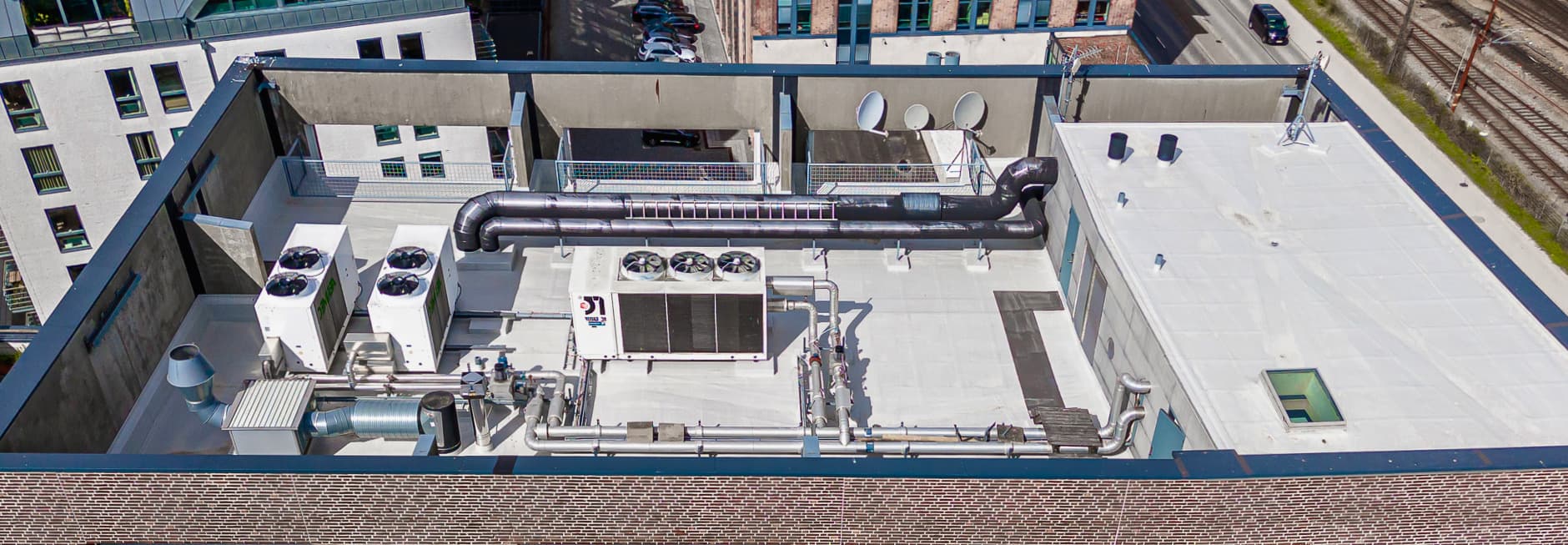
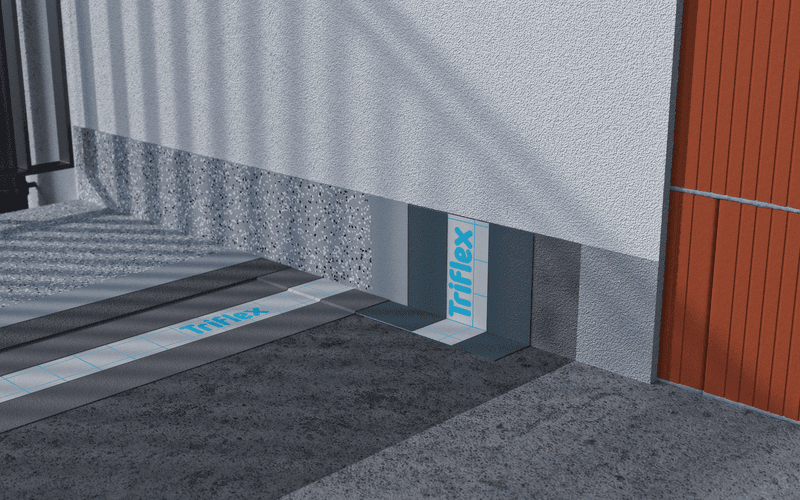
Wall Connection - Balcony
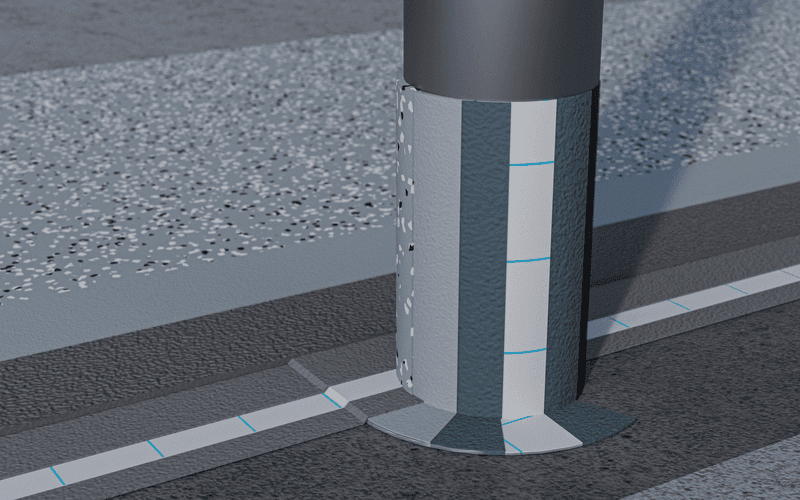
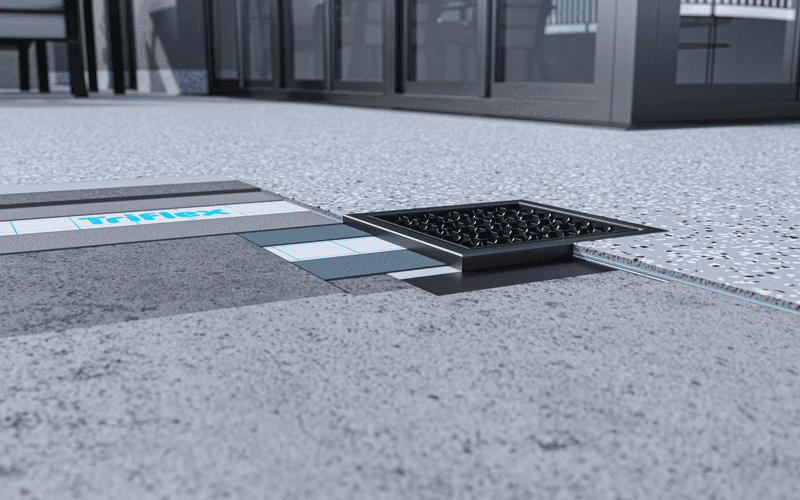
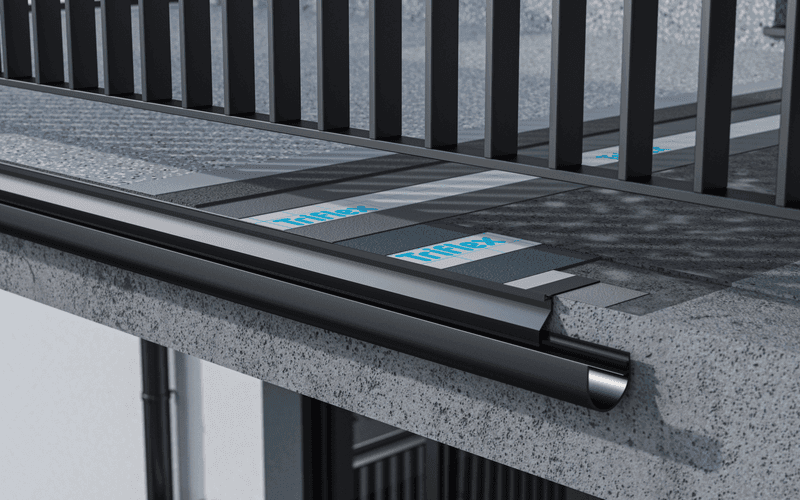
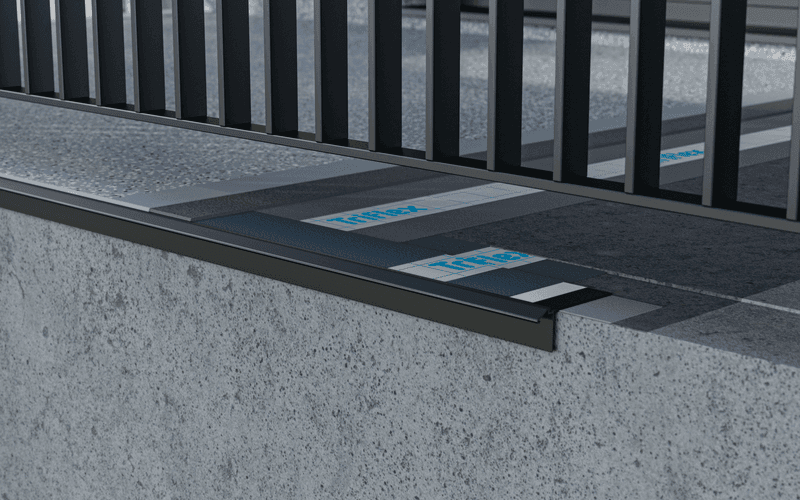
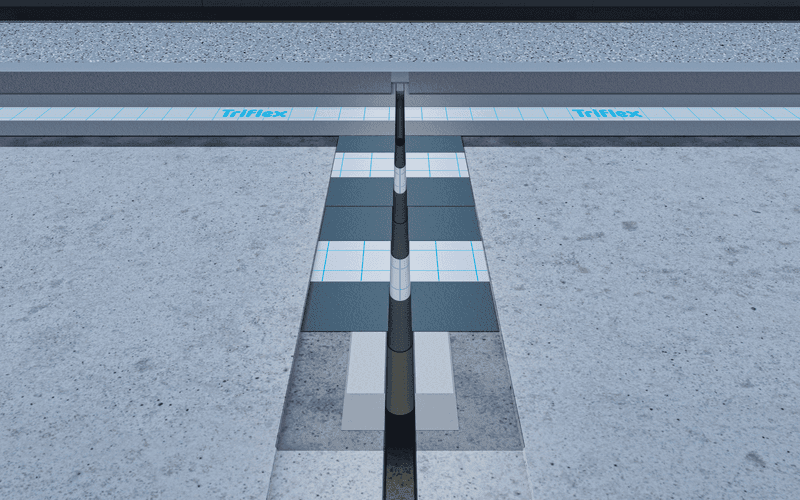
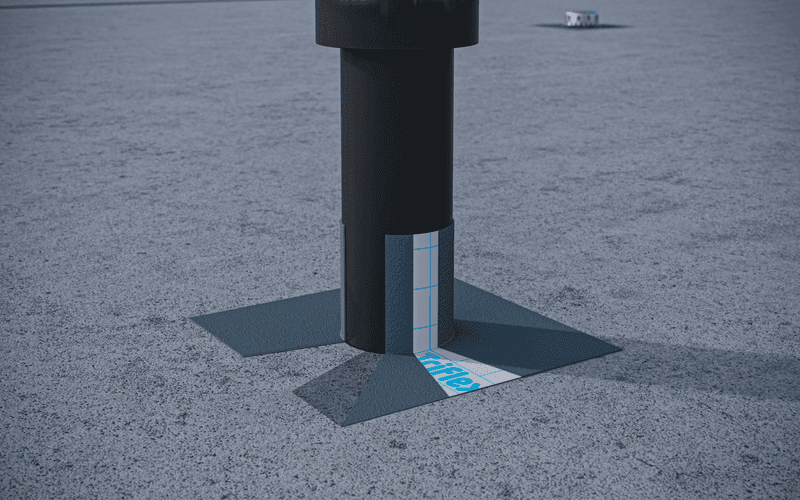
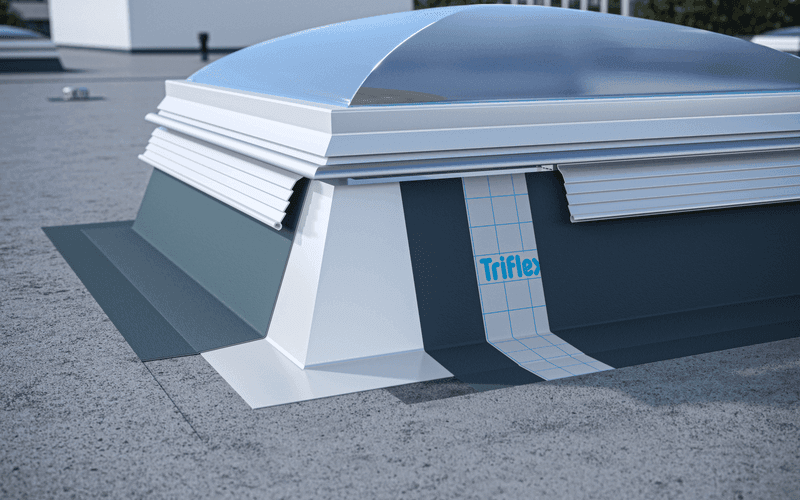
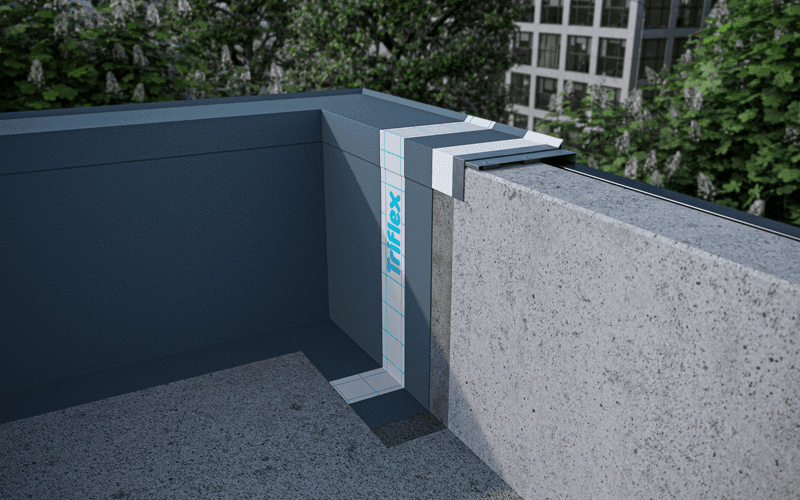
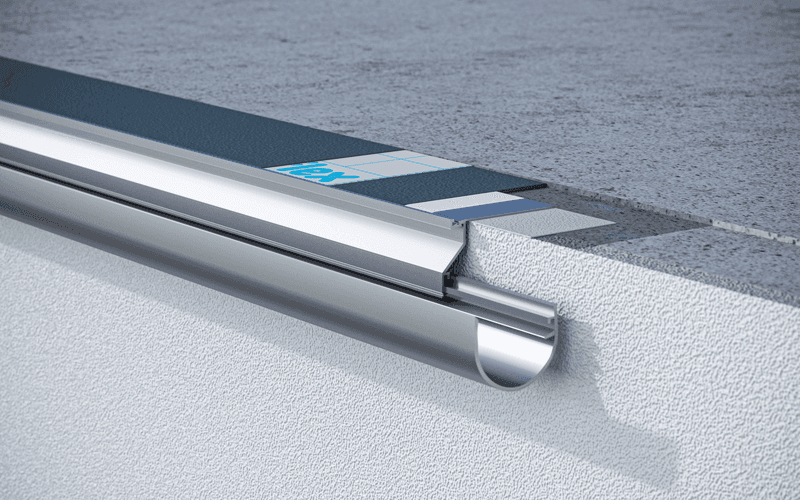
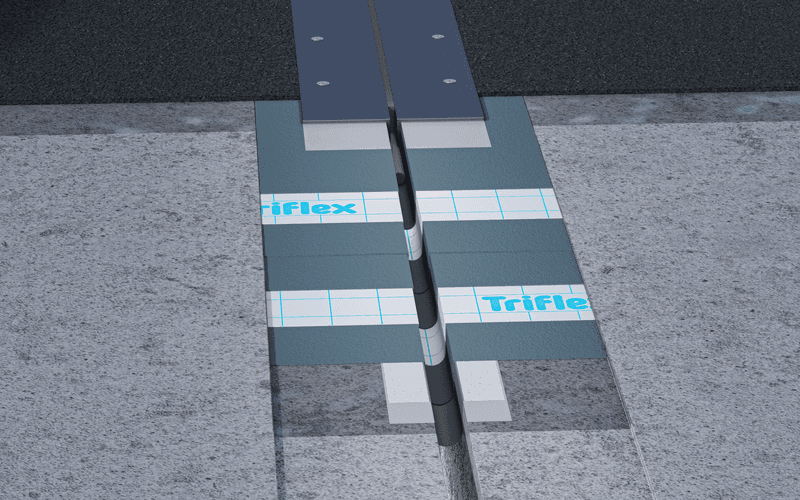
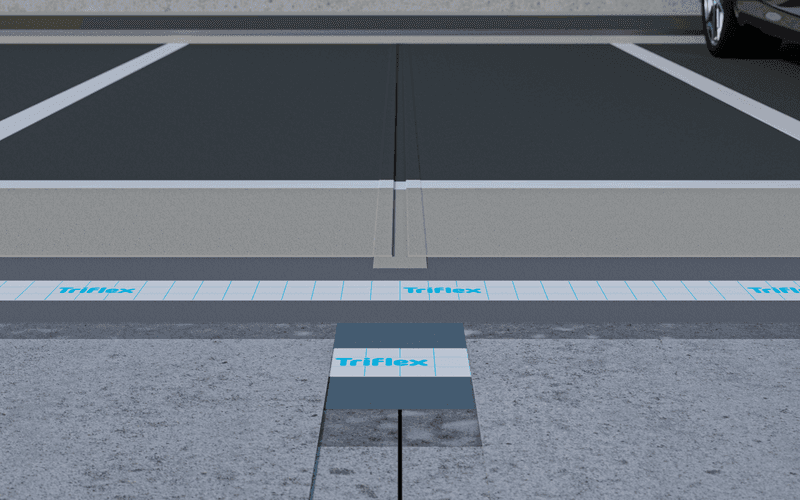
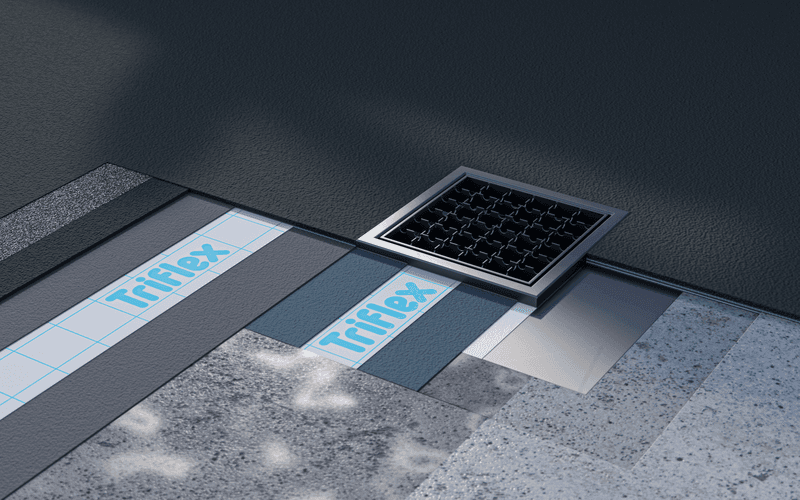
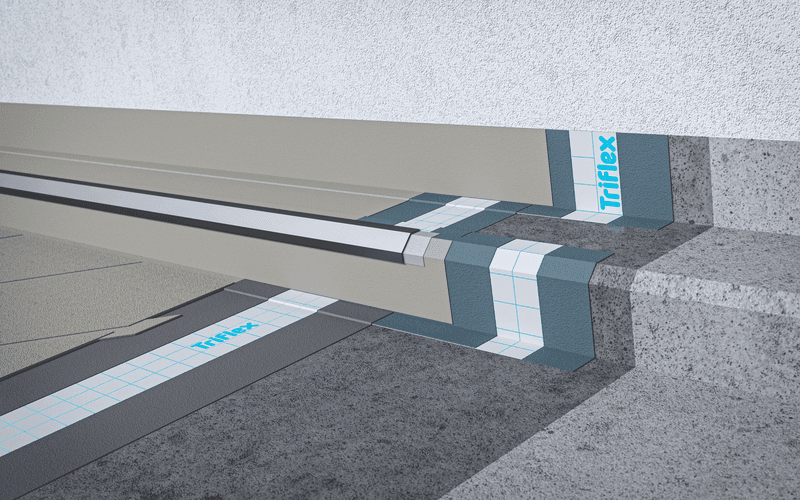
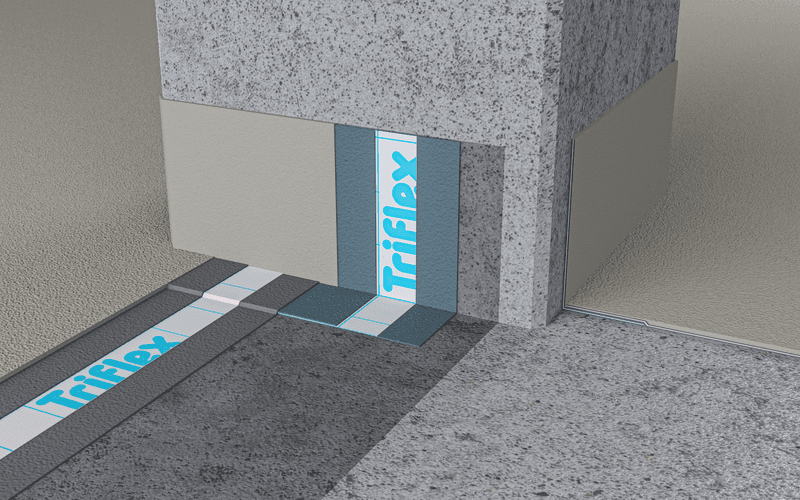
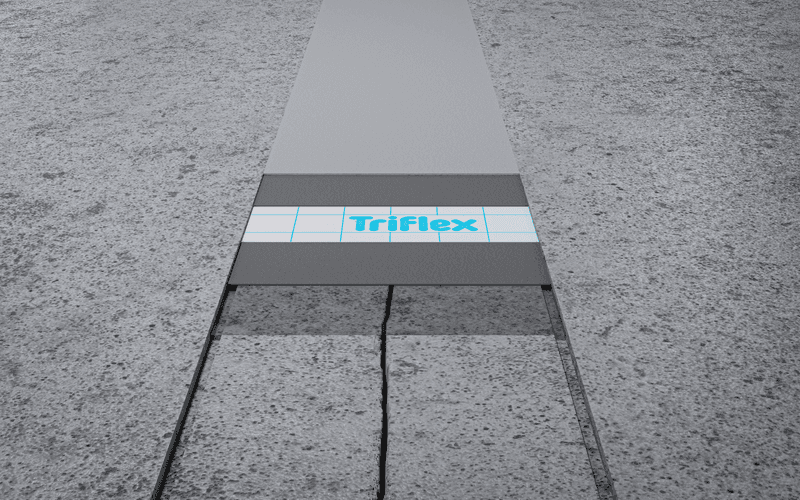
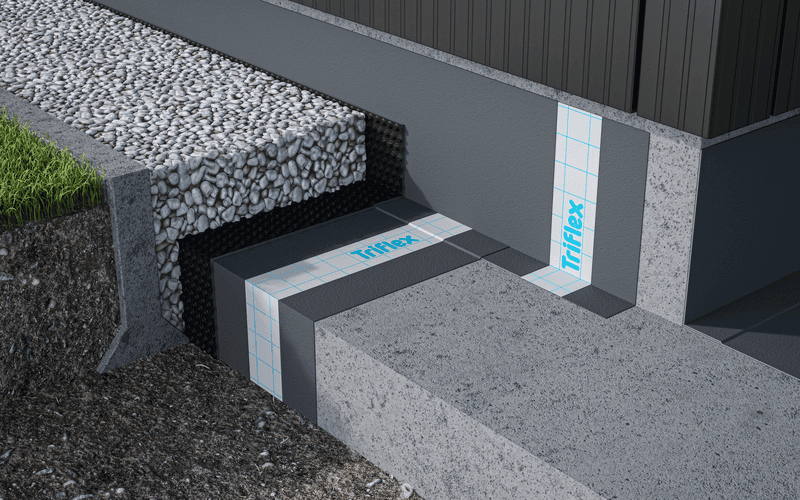
Greater planning reliability for complex interfaces—from roofing to civil engineering.
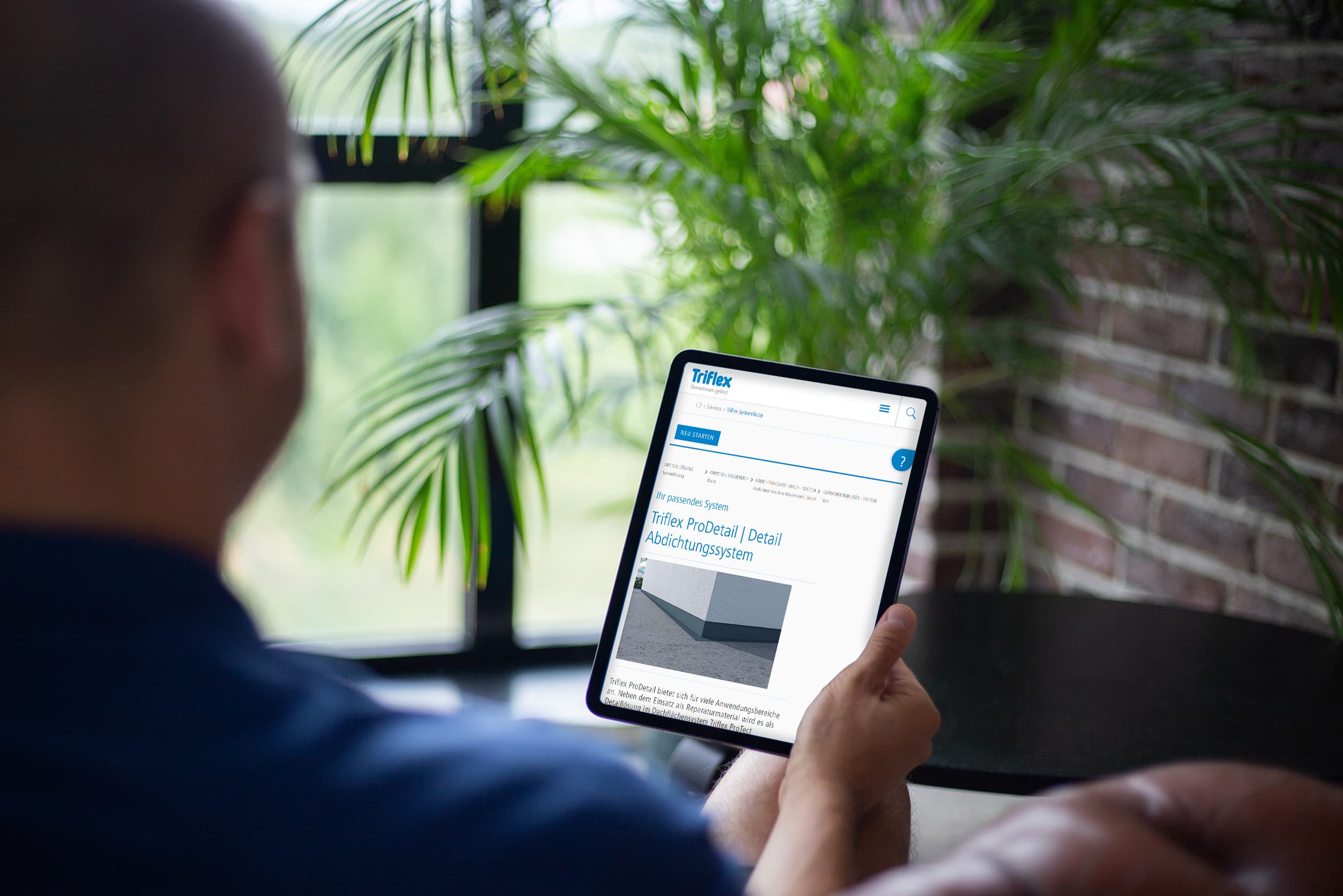
Triflex Detail and System Finder
Does your project have specific waterproofing requirements? Triflex offers the right system for every detail—permanently watertight, technically tested, and optimally coordinated. Our waterproofing solutions are top-rated, have a long track record of proven performance, and are continuously refined. This ensures planning reliability, code-compliant installation, and long-lasting functionality—from design through completion.
Why Liquid Plastic Is the Best Solution for Sealing Small Areas
Connection details are among the most common weak points in construction.
Different materials, movement, and complex geometries can quickly lead to cracks, leaks, and consequential damage.
PMMA-based liquid polymer solves exactly this problem:
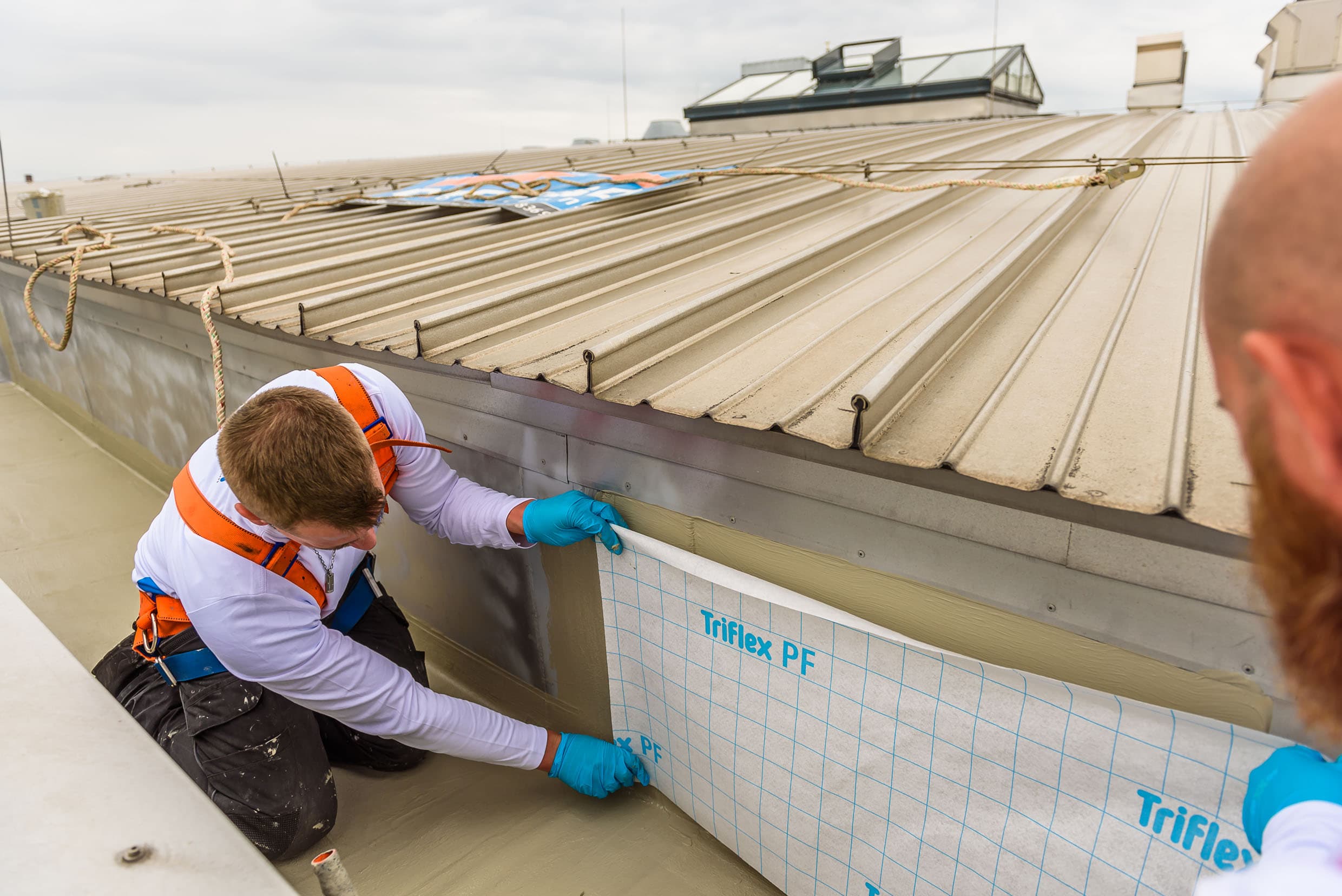
It is applied in liquid form, fully conforms to the substrate, and cures into a seamless seal.
In practical terms, this means:
- Seamless —no joints = no entry point for water
- Crack-bridging – reliably accommodates movement in the building structure
- Quick-curing – short construction times, minimal downtime
- Highly adhesive – works on many substrates, including existing structures
Result:
A permanently watertight, durable waterproofing system—even in critical detail areas.
Where liquid rubber is used for detail waterproofing
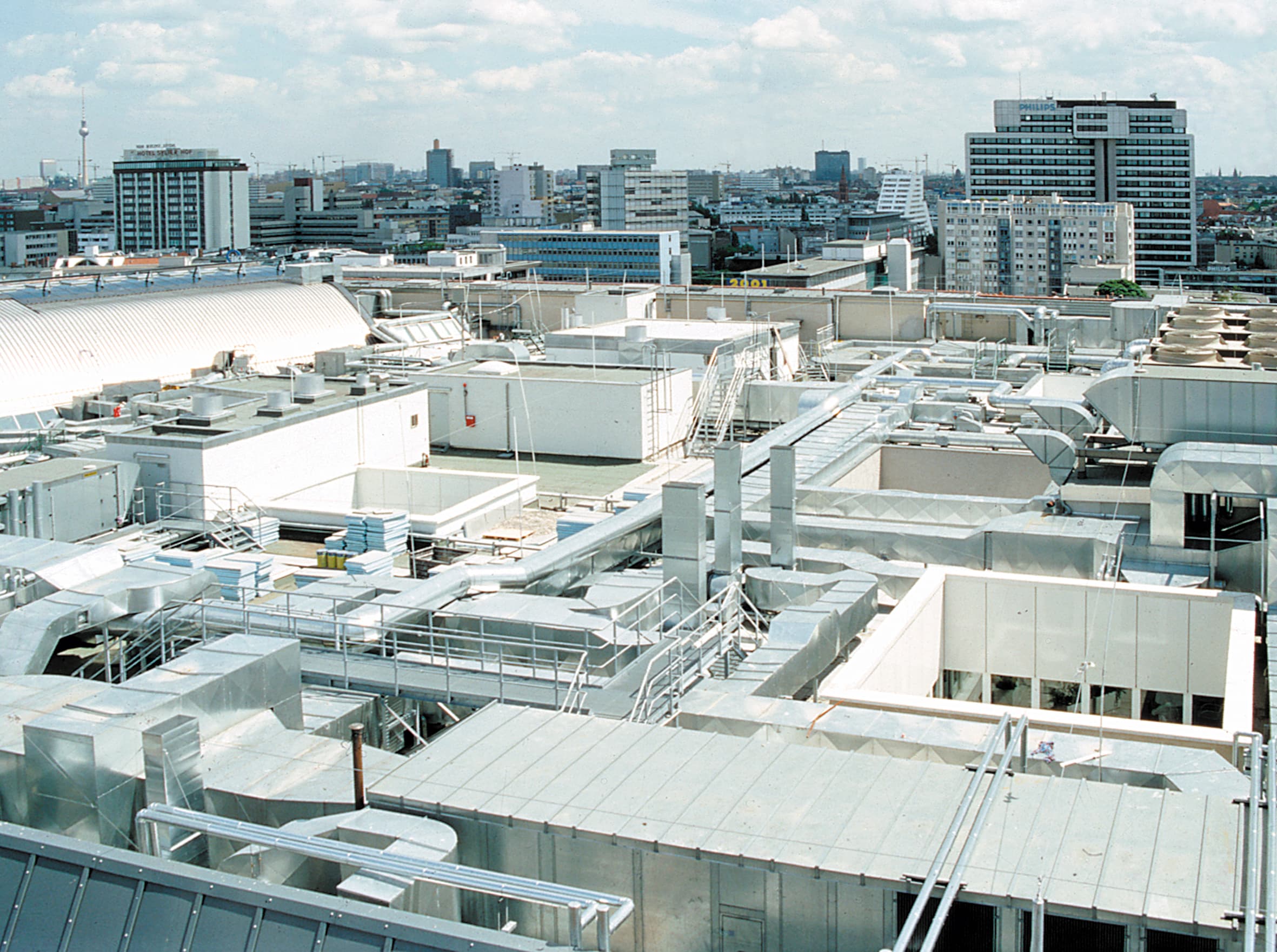
Liquid plastic is used wherever traditional waterproofing systems reach their limits—especially at complex connections and transitions.
Typical applications include:
- Window and door connections (e.g., floor-to-ceiling units, zero-thresholds)
- Balcony and patio connections
- Roof details and penetrations
- Pipe and cable connections
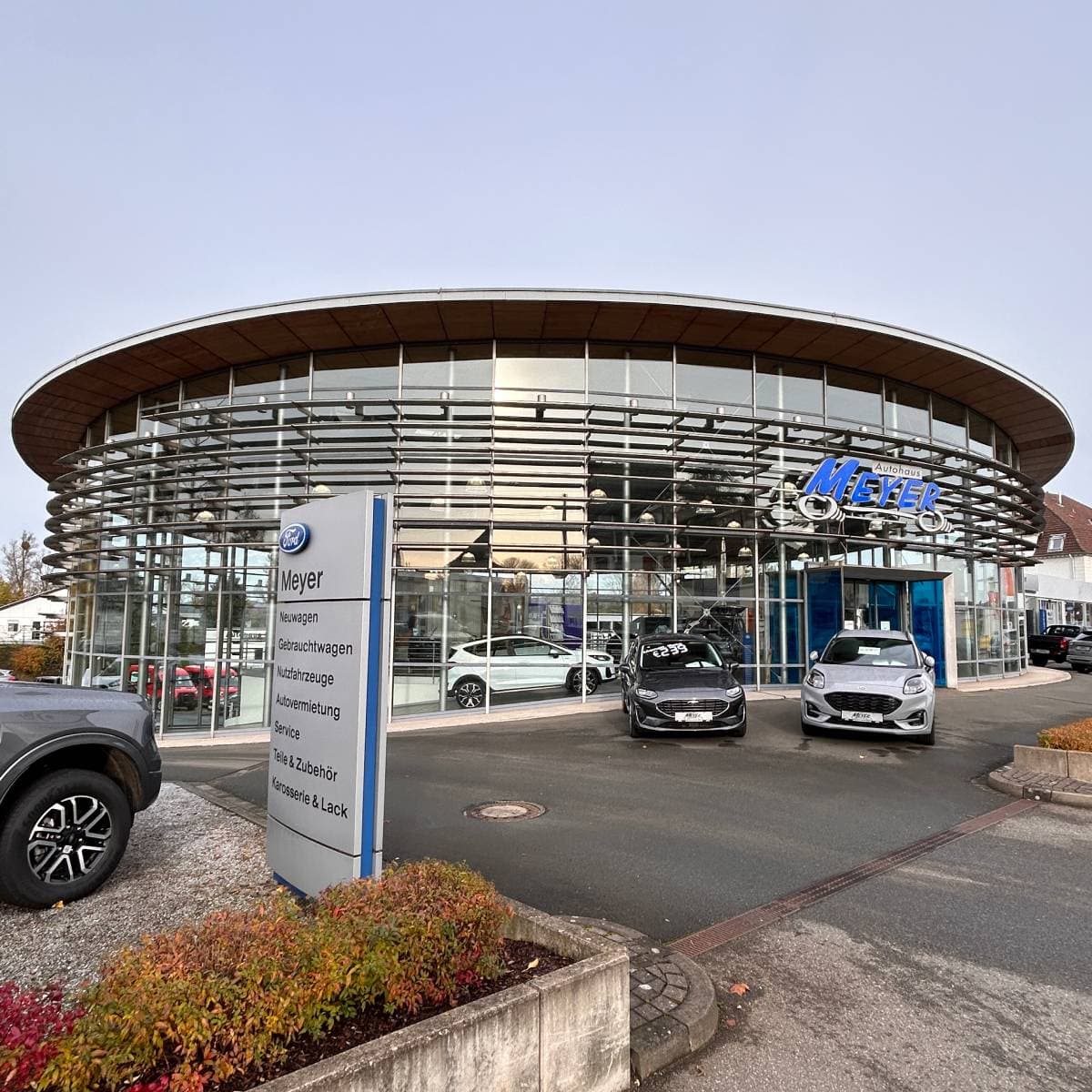
- Parking garages and high-traffic areas
- Special structures in civil engineering
The key advantage: Even complex geometries can be made fully and permanently watertight—without the need for costly custom solutions.
Why High-Quality Detail Waterproofing Pays Off Financially
Errors in connection details are one of the most common causes of moisture damage—and thus of costly rework, customer complaints, and downtime.
Certified liquid polymer systems can effectively reduce these risks:
- Less damage – lower risk of leaks
- Less maintenance —long-lasting systems instead of recurring renovations
- Fewer renovation cycles – longer service life of components
- Predictable costs – greater investment security
The result: lower life-cycle costs and sustainable protection of the building structure.
Frequently Asked Questions About Detail Waterproofing with Liquid Polymer
Joint details connect different components and materials. These react differently to temperature, movement, and moisture. Traditional sealants often reach their limits here—resulting in cracks, gaps, and leaks.
Liquid plastic prevents exactly that, as it is applied seamlessly and adapts completely to the geometry.
Liquid plastic is particularly well-suited for complex connection details, penetrations, and transitions. It offers clear advantages whenever multiple materials meet or a simple seal is not possible.
Typical applications include window flashings, balconies, roofs, and structural penetrations.
Seams are the most common weak point in waterproofing. Seamless waterproofing significantly reduces this risk:
- no entry point for water
- less maintenance and rework
- greater durability
The result is a waterproofing system that remains safe and functional over the long term.
Yes. Liquid plastic adheres to many existing substrates and is therefore ideal for renovations. Existing structures can be preserved without having to be completely demolished.
This saves time and money and minimizes disruption to the building structure.
Improper connection details are among the most common causes of costly structural damage.
High-quality waterproofing reduces:
- Risks of damage
- Maintenance costs
- Renovation cycles
This results in lower life-cycle costs and greater investment security.
Triflex offers tested system solutions as well as digital planning tools such as the Detail and System Finder.
These tools make it possible to quickly and reliably identify suitable solutions.
In addition, designers and contractors receive technical support—from planning through to installation.