Before and After: Balcony and Detail Waterproofing with Liquid Plastic
Balconies, pergolas, and terraces are constantly exposed to high levels of stress: weather, mechanical stress, and temperature fluctuations can quickly cause damage to the waterproofing.
Leaks frequently occur around connections, joints, and details—especially in complex structures or existing buildings.
Triflex liquid polymer systems allow these areas to be permanently and reliably repaired. The material adapts seamlessly to any geometry and reliably seals even difficult details—without weak spots or seams.
The result: long-lasting waterproofing, reduced risk of damage, and a visually high-quality surface.
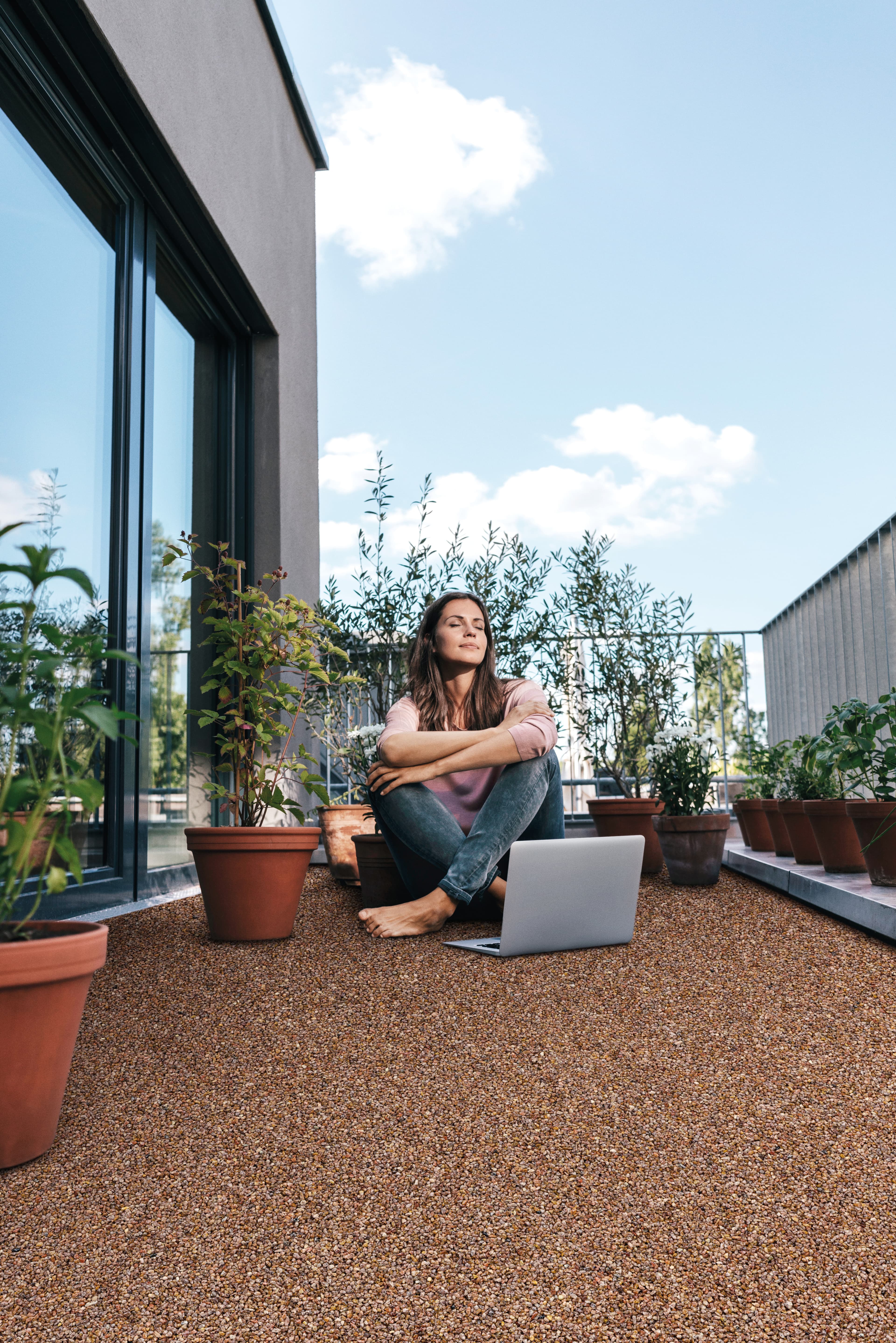
Your benefits at a glance:
- Seamless sealing— no joints, no weak spots, lower risk of leaks
- High flexibility – ideal for complex connections and details
- Reliable renovation – works even in existing structures and on difficult substrates
- Durable systems – resistant to weather and mechanical stress
- Planning reliability – tested systems and clear installation guidelines
Real-World Example
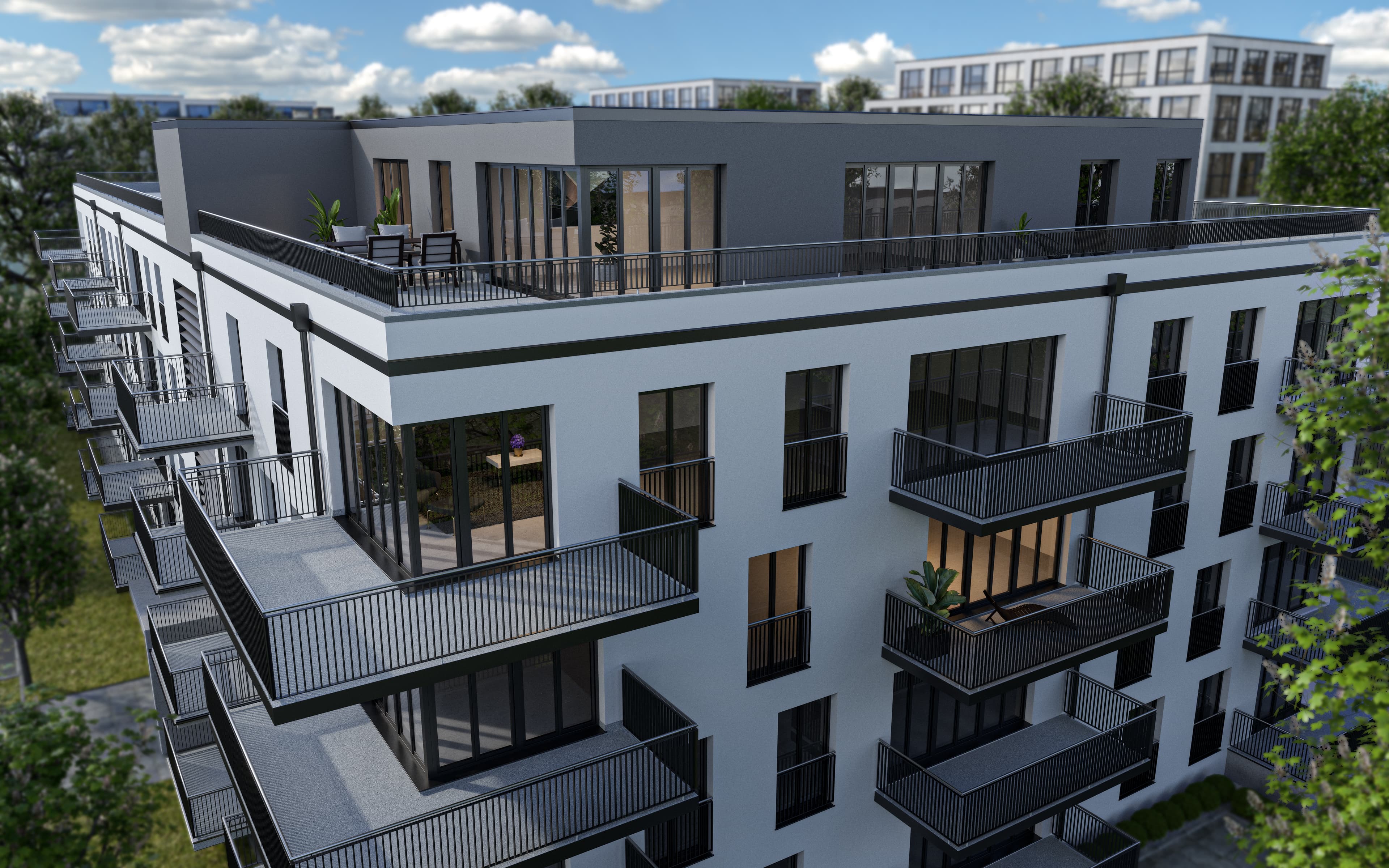
Berlin Daycare Center – Renovation of Listed Arcades
Challenge:
- Restoration in accordance with preservation guidelines
- Heavily trafficked walkways
Solution with Triflex:
- Primer for secure adhesion to the existing substrate
- Detail waterproofing with fabric-reinforced liquid polymer
- Surface waterproofing for long-lasting protection
- Sealing with a slip-resistant surface
Benefits: Reliable waterproofing despite complex requirements and heavy use
Real-World Example
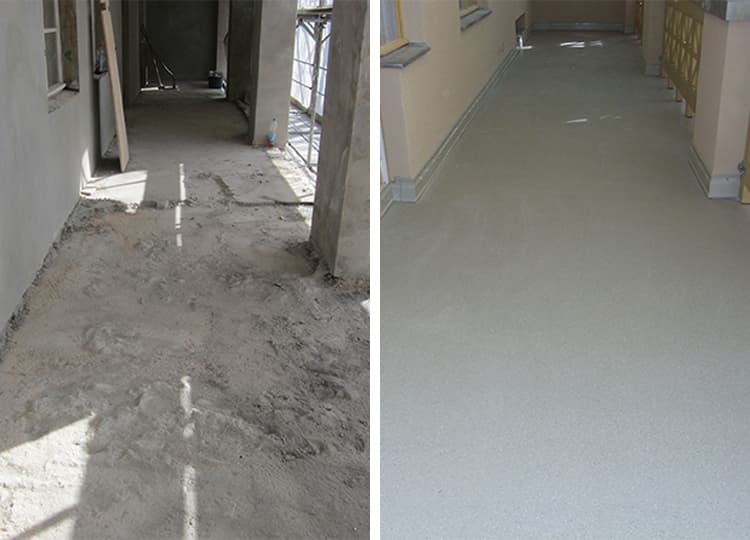
Residential Building in Minden – Balcony Waterproofing with a Slope
Challenge:
- Lack of slope
- Critical connection areas
- Waterproofing of terrain supports
Solution with Triflex:
- Slope compensation and waterproofing in a single system
- Reliable integration of all connections and penetrations
- Multi-layer waterproofing for high load-bearing capacity
Benefits: effective drainage, watertight connections, and long-term reliability.
Real-World Example
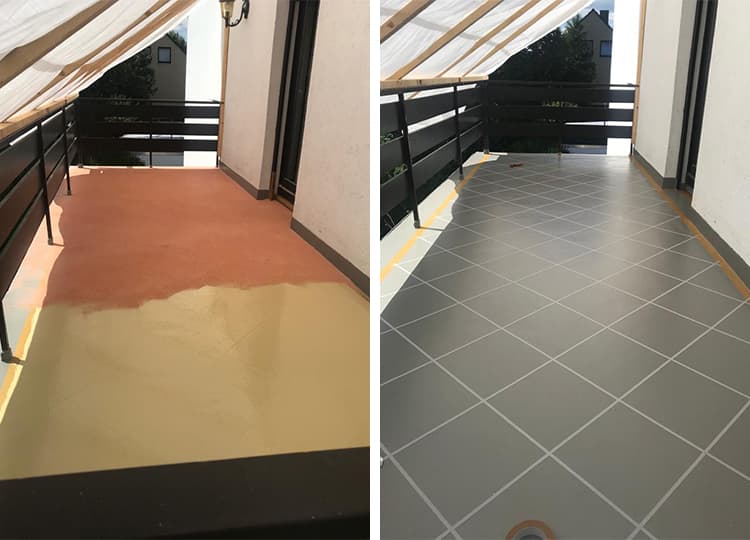
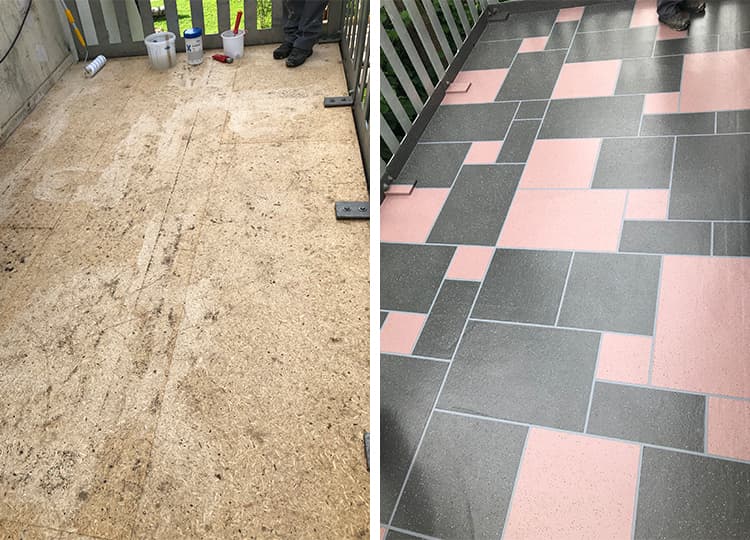
Residential Building in Bielefeld – Waterproofing on a Wooden Substrate
Challenge:
- Wooden substrate (particleboard)
- High movement requirements
Solution with Triflex:
- System-compatible primer
- Flexible waterproofing for moving substrates
- Decorative and durable surface
Benefits: Durable waterproofing even on critical substrates—combined with an attractive appearance.
The most reliable way to waterproof balconies is with liquid plastic, since the material is applied seamlessly and adapts flexibly to connections, joints, and penetrations. This prevents the formation of weak spots that could later develop leaks.
Liquid plastic is particularly suitable for:
- complex connection details
- renovations of existing buildings
- difficult or mixed substrates
- structural components subject to high mechanical stress
It offers advantages over membrane waterproofing because it is applied seamlessly.
Common causes of damage include:
- leaky connections
- missing or incorrect slope
- inadequate substrate preparation
- material transitions and joints
These problems can be avoided by using liquid polymer waterproofing systems designed for the specific application.
Liquid plastic also allows even complex details to be integrated directly. The material is applied in liquid form and cures seamlessly, ensuring that even difficult transitions remain permanently sealed.