It works. Even 40 years from now.
An expected service life of 40 years has been confirmed for selected Triflex systems. This provides a solid foundation for long-term planning, reliable installation, and cost-effective maintenance.
The question is not whether a waterproofing system works today—but whether it will still provide reliable protection in 10, 20, or 30 years.
Quality isn't evident on the day of completion.
Many waterproofing systems function properly immediately after installation.
Problems often don’t arise until later—under real-world conditions.
Weather, UV radiation, temperature fluctuations, and mechanical stresses continuously affect the waterproofing. Over time, these factors lead to material stress and aging.
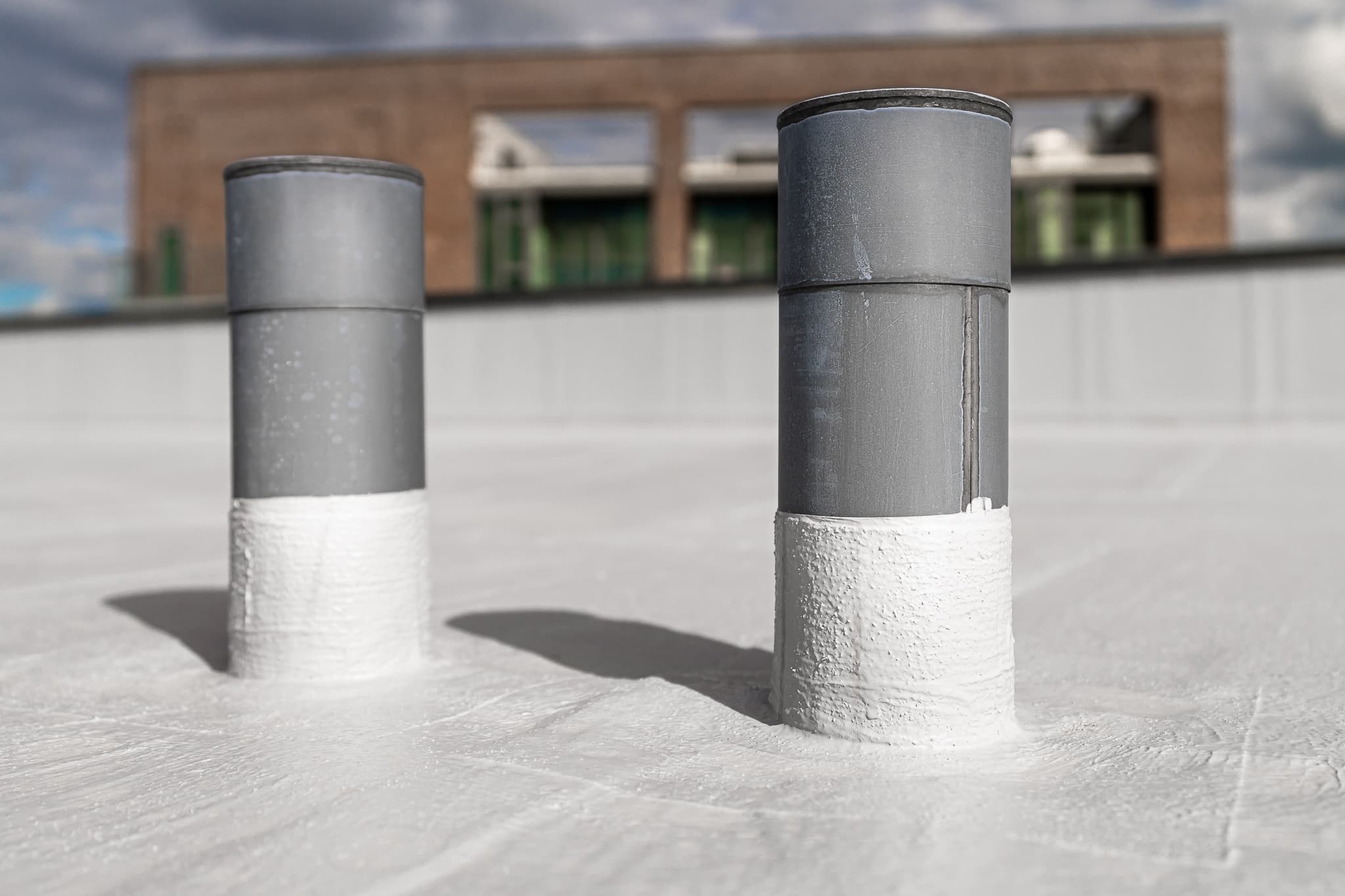
Details such as connections, penetrations, and transitions are particularly critical. This is where different materials, movements, and stresses interact—and this is precisely where most weak points develop.
In practice, leaks occur predominantly at these details.
This damage often develops gradually and goes unnoticed for a long time. It usually only becomes visible once moisture has already penetrated and consequential damage has occurred.
For designers and contractors, this means that the critical risks do not lie in the visible condition immediately after completion, but rather in long-term performance.
What matters is not the warranty—but the service life.
Warranty periods are legally defined and limited in duration. The actual use of a building extends far beyond that.
The key question is therefore:
How long will a waterproofing system reliably perform its function?
- Warranties expire after just a few years
- Buildings last for decades
- Damage often occurs after the warranty expires
- Renovations result in costs, effort, and downtime
The warranty covers a specific period—the service life describes a system’s actual performance capability.
Those who plan exclusively based on warranty periods are simply deferring risks to the future. Those who plan based on service life reduce these risks right from the planning stage.
Confirmed useful life of 40 years.
An expected service life of 40 years has been confirmed for several Triflex systems.
This assessment is based on:
- extended testing procedures (including water, temperature, and mechanical stress)
- long-term studies under real-world conditions
- analysis of existing structures
The 40-year service life is based on test procedures and analyses of existing structures.
Practice confirms the theory
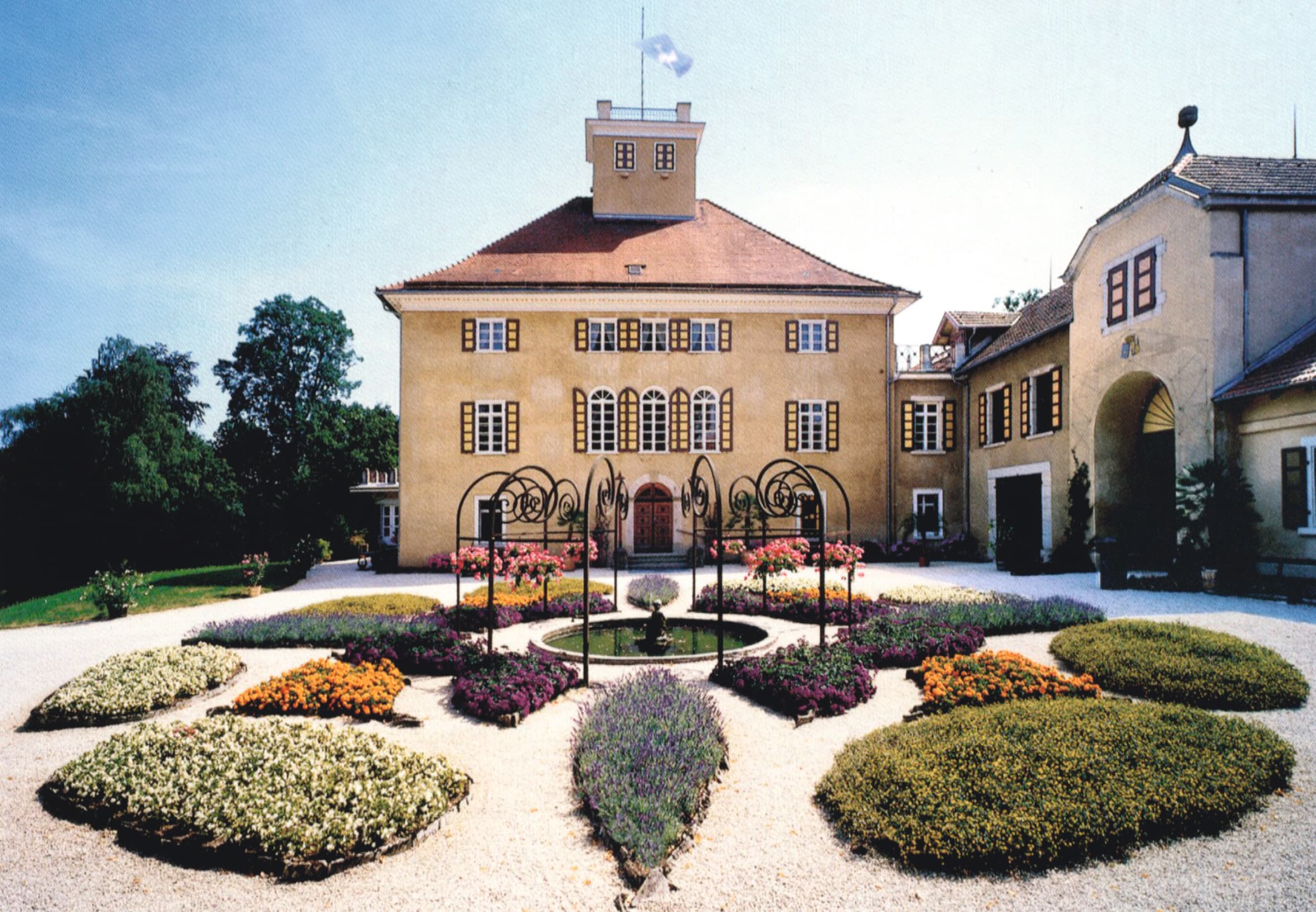
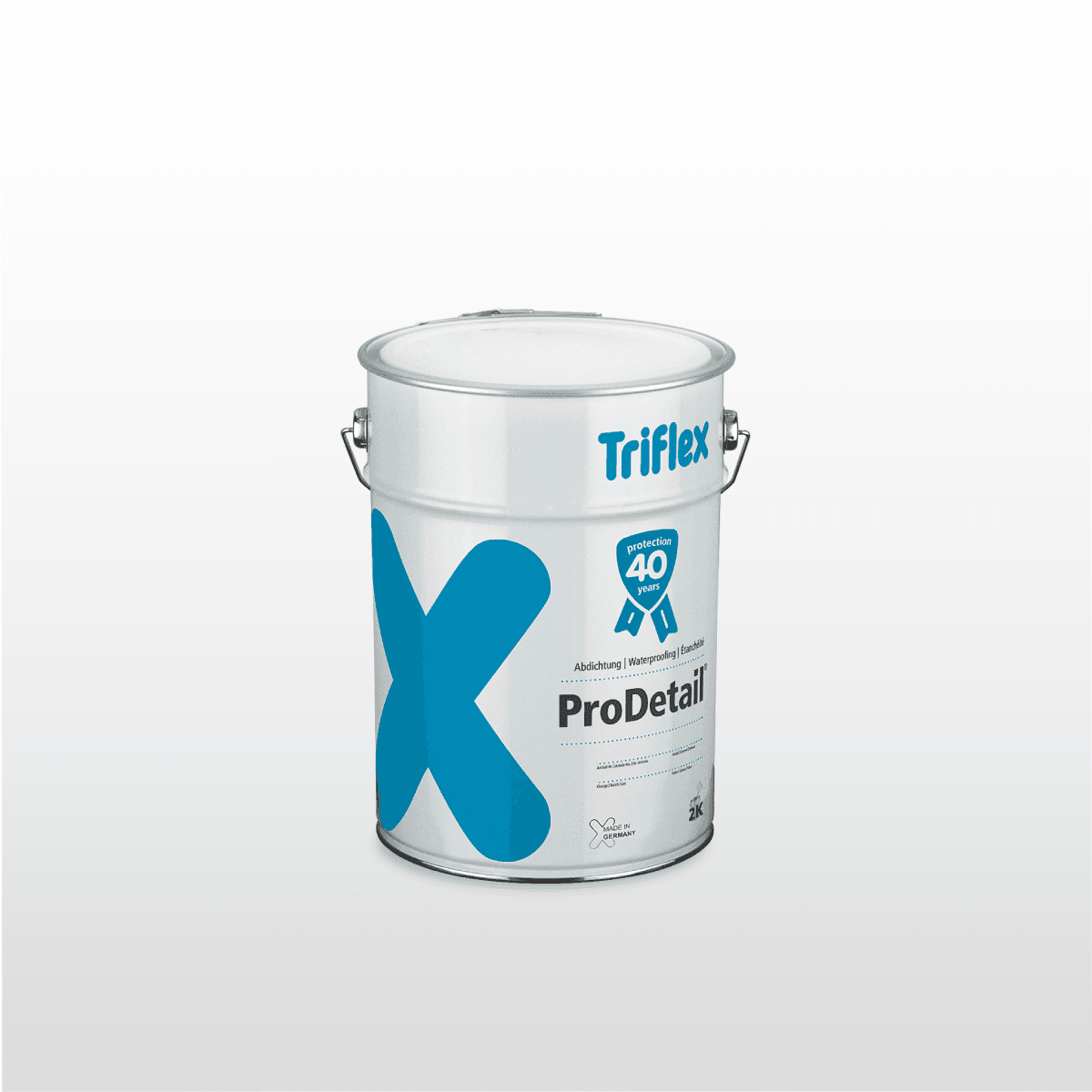
An example from existing structures: A joint seal using Triflex ProDetail installed in 1999 was inspected after 25 years. The result: no defects; still fully functional.
The performance of a waterproofing system is demonstrated through long-term use in existing structures.
View the “ Prüfgrundlage von Triflex ProDetail ” here.
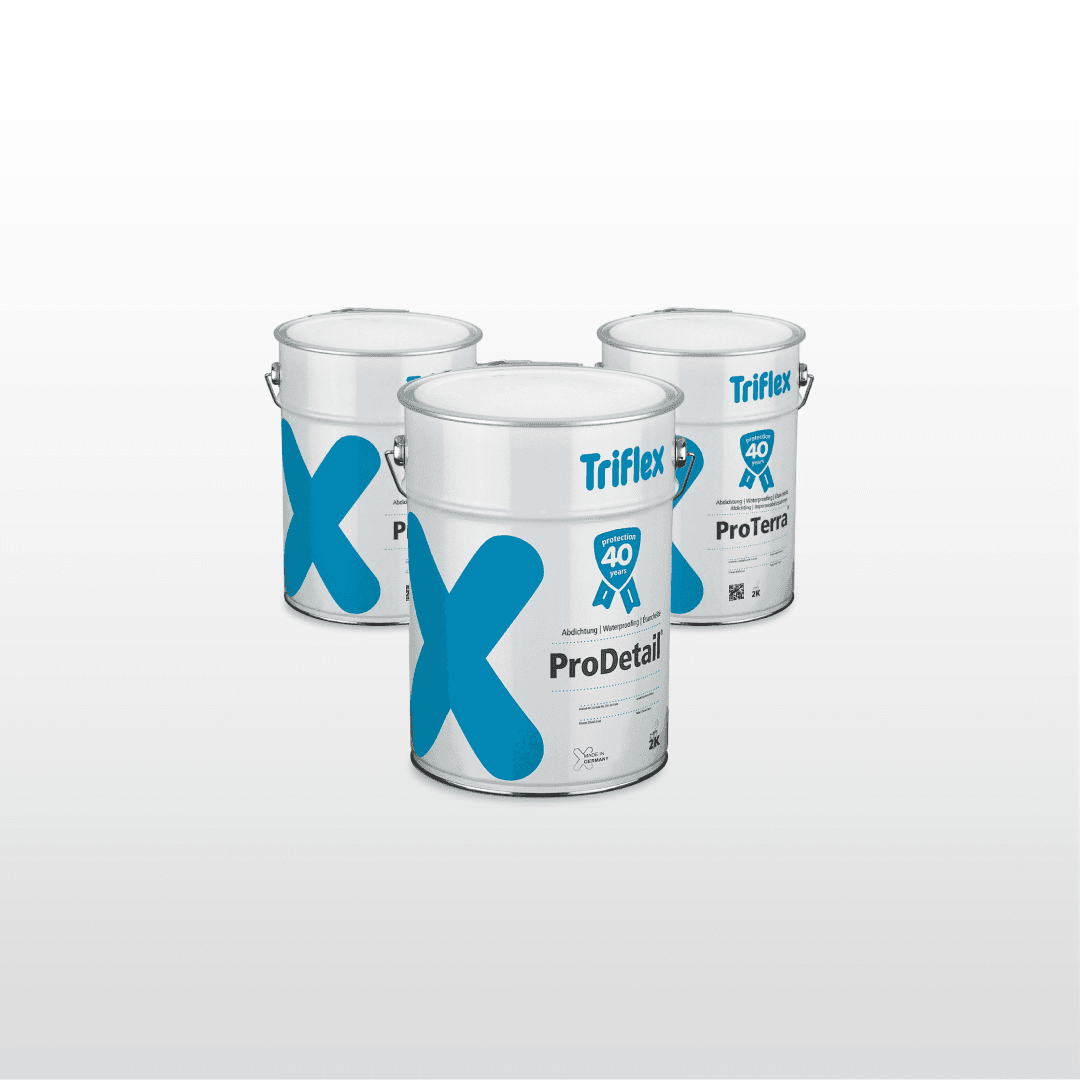
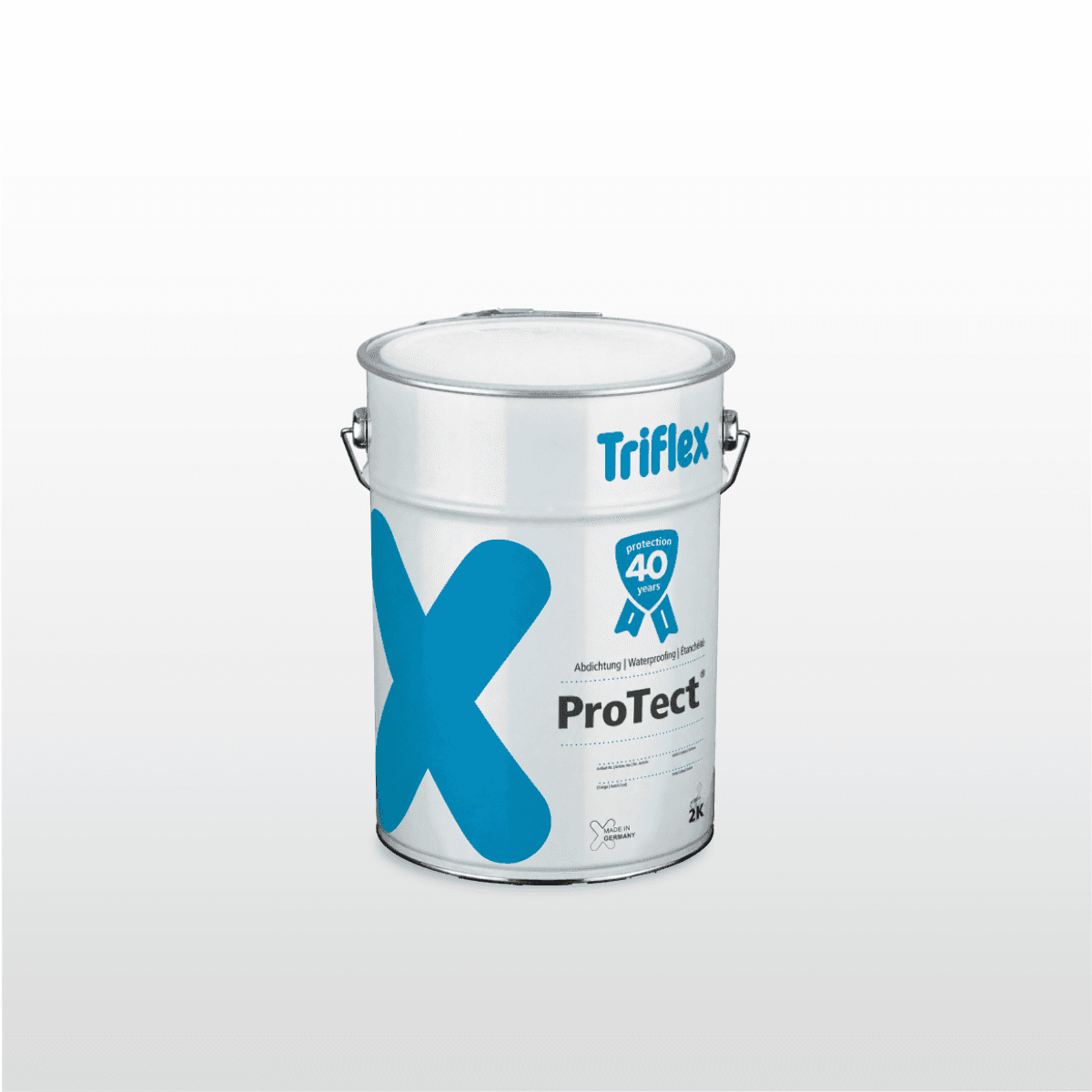
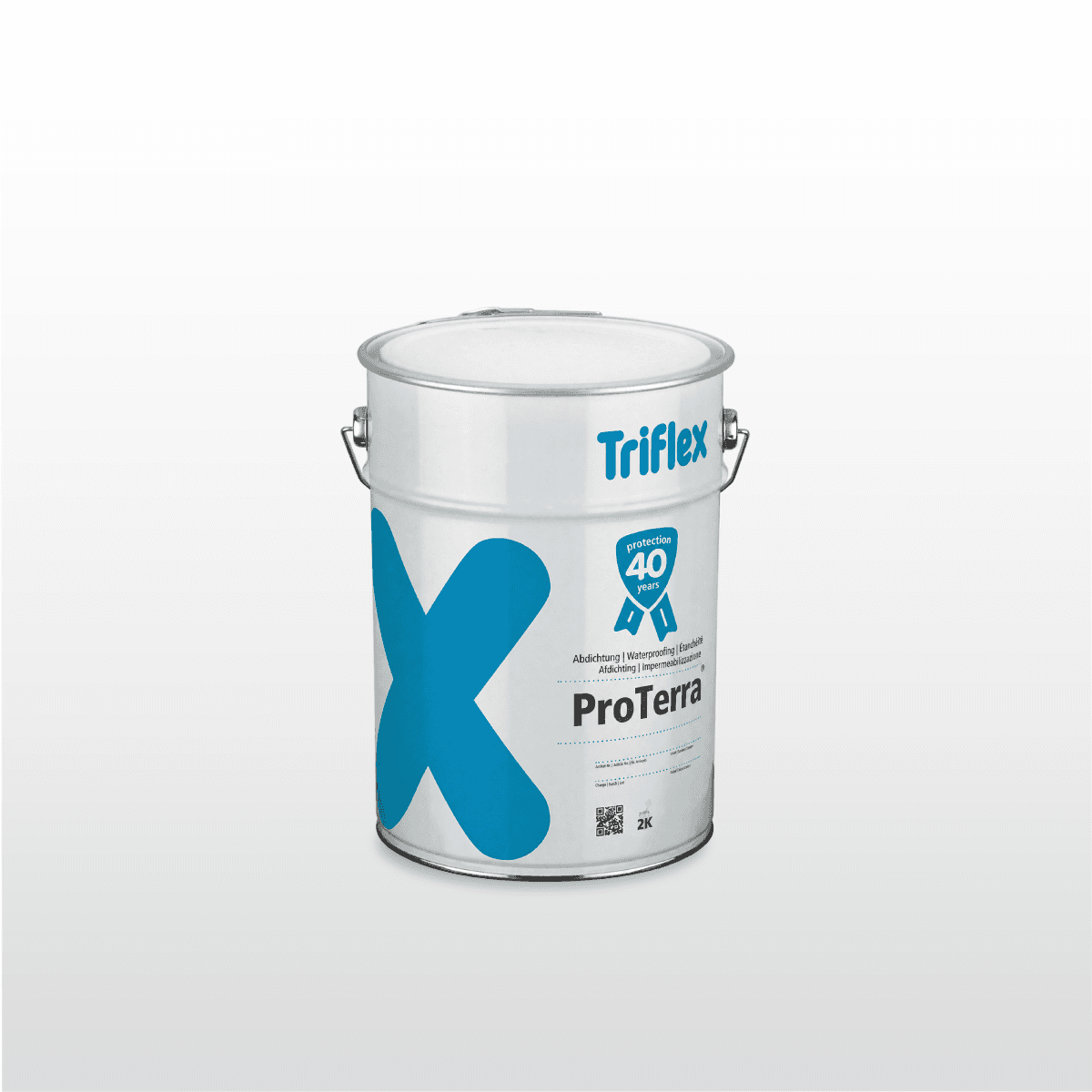
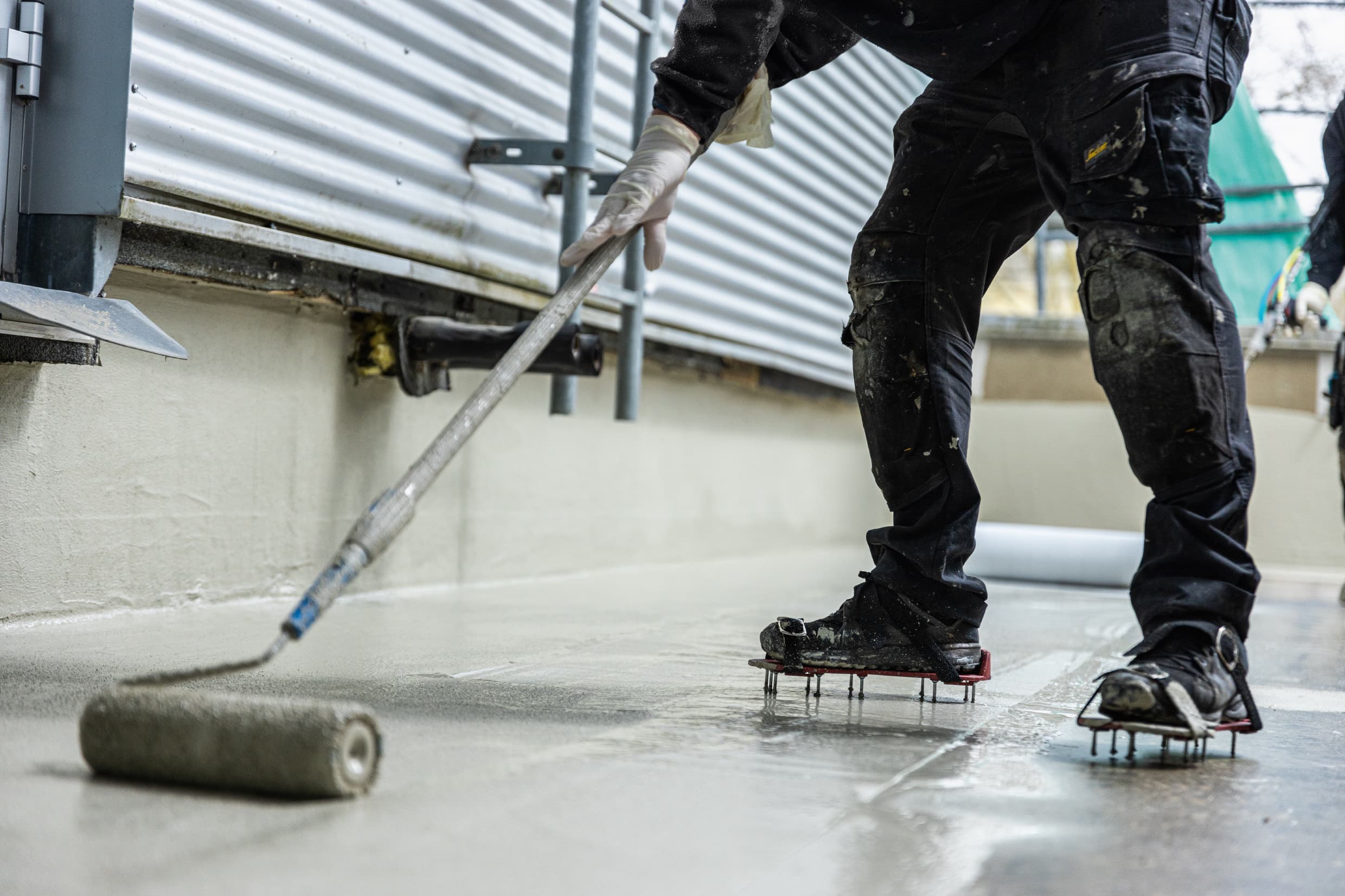
A durable waterproofing system is not achieved with a single product, but through the combination of detailed and surface solutions.
The 40-Year Safety Family.
How long does waterproofing really last?
The service life of a waterproofing system cannot be determined solely in theory. It is demonstrated in practice—over the course of years and decades.
Studies of existing buildings show:
- Waterproofing systems can remain functional for over 25 years
- Weak points arise where systems do not function consistently
- Long-term performance depends on the design of details and the quality of the system
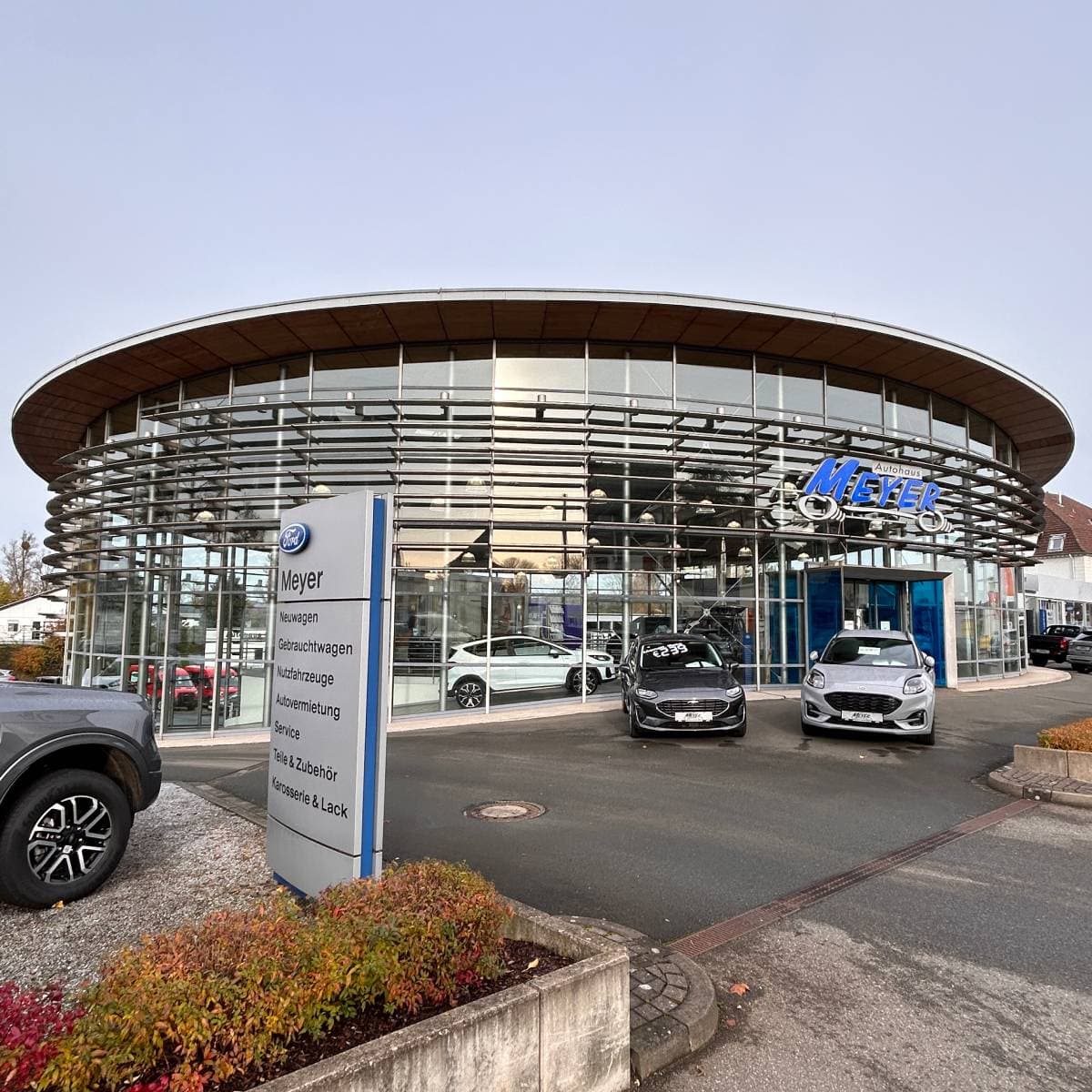
The true quality of a waterproofing system only becomes apparent during long-term use under real-world conditions. View projects in detail:
What does this mean for you?

For Architects & Planners
• A solid basis for decision-making on long-term projects
• Reduced risks of consequential damage
• Better assessment throughout a building’s life cycle
Planning reliability is achieved when systems function throughout their entire life cycle—not just at the time of acceptance.
Durability reduces CO₂ emissions and resource consumption
Buildings are becoming increasingly energy-efficient in operation.
At the same time, so-called “gray energy”—that is, the energy required for manufacturing and maintenance—is becoming increasingly important.
A key factor in reducing this environmental impact is the service life of the materials used.
- Longer service life → fewer renovations
- Fewer renovations → less material use
- less material use → lower CO₂ emissions
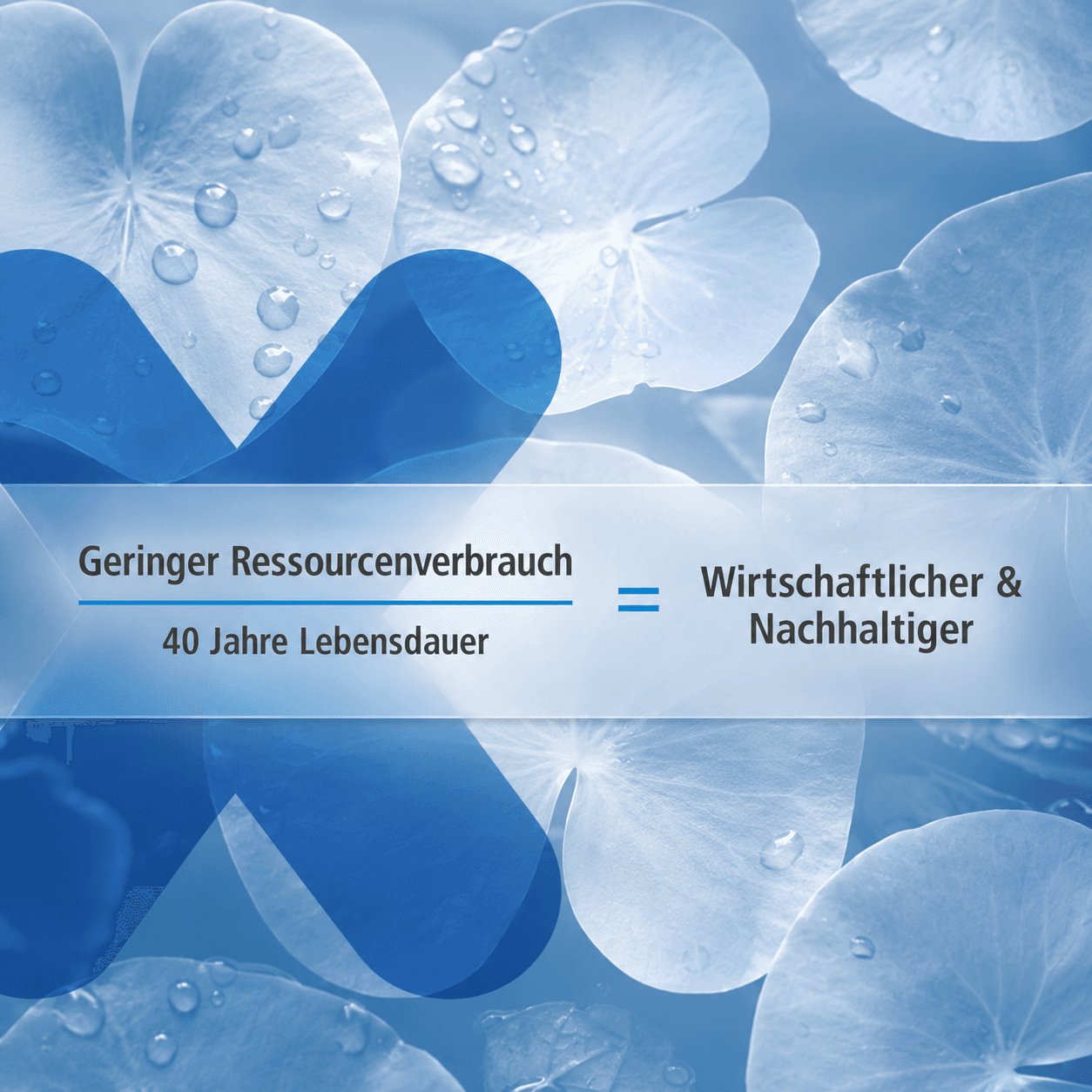
The most effective measure for reducing a building product’s environmental footprint is to extend its service life.
A system that functions for 40 years needs to be replaced less often than one with a shorter lifespan. This conserves resources and significantly reduces CO₂ emissions over the system’s service life.
More About the 40-Year Security Family
Note: The information regarding service life describes the expected performance under defined conditions. It is not to be equated with a warranty, but rather serves as a basis for technical and planning decisions.
If you want to ensure long-term planning reliability, reduce risks, and optimize the lifecycle of your projects:

FAQ – 40-Year Service Life for Waterproofing Systems
The service life of a waterproofing system depends on the system, the design, and the loads it is subjected to.
In practice, studies show that many systems begin to show signs of weakness after 10–20 years—especially at the details.
The true quality of a waterproofing system only becomes apparent over the course of years of actual use.
This specification describes the expected performance of a system over a defined period of time under specific conditions.
It is based on test procedures and analyses of actual installations.
The service life is a technical assessment—not a warranty.
The warranty is a legally defined period of a few years.
The service life describes how long a system actually functions.
The warranty ends early—a building is used for decades.
Seals are constantly exposed to the elements, UV radiation, and mechanical stress.
These factors have a gradual effect and lead to material fatigue only over time.
Damage rarely occurs immediately but develops over the course of years.
The most common weaknesses aren't in the big picture, but in the details.
These include:
- Connections
- Penetrations
- Transitions
In practice, leaks occur predominantly at details rather than across the surface.
These details are structurally complex and subject to particularly high loads.
This is where different materials and movements come into contact.
The durability of a waterproofing system depends on the details.
Liquid plastic enables a seamless, joint-free seal that conforms to complex geometries.
This results in fewer weak points, especially in detailed areas.
Seamless systems reduce typical sources of error in waterproofing.
The evaluation is based on a combination of:
- extended test procedures (e.g., water, temperature, mechanical stress)
- long-term studies
- analysis of existing structures
The service life is substantiated by test procedures and real-world practical experience.
A longer service life results in:
- fewer renovations
- lower life-cycle costs
- greater planning certainty
The longer a system operates, the more cost-effective it becomes over the life cycle of a building.
A building's service life directly affects its material consumption and carbon footprint.
Fewer renovations mean less resource consumption.
Extending a building’s service life is one of the most effective ways to reduce CO₂ emissions in the construction industry.
The service life of a balcony or patio waterproofing system depends on the system used, proper installation, and the specific loads it is subjected to.
The Triflex ProTerra liquid polymer waterproofing system has a confirmed expected service life of 40 years. This figure applies under the defined conditions of use and does not constitute a warranty.
The expected service life of Triflex ProTerra provides a technical basis for the long-term planning of balcony, patio, and pergola waterproofing.